
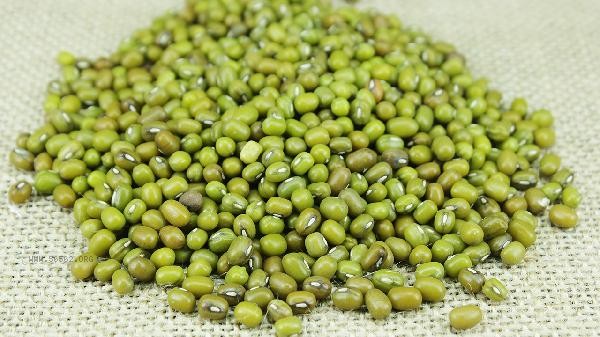
Green beans with bugs are generally not recommended for continued consumption. Green beans may carry bacteria or insect eggs after being infested, which may cause gastrointestinal discomfort or allergic reactions when consumed. Green beans are susceptible to pest infestations during storage, including common pests such as mung bean weevils. These insects will lay eggs and hatch inside the beans, causing them to appear hollow or discolored. Insect infested mung beans will significantly reduce their nutritional value, protein and starch content, and taste. Green beans with slight insect infestation can theoretically be consumed after thorough selection and high-temperature cooking, but there are certain health risks involved. If mung beans are severely infested with pests, exhibit widespread mold growth, blackening, or odor, they must be discarded. Moldy mung beans may produce harmful substances such as aflatoxin, and high-temperature cooking cannot completely destroy their toxicity. Long term consumption of moldy food may cause damage to the liver and increase the risk of disease. When storing mung beans, they should be sealed and placed in a cool and dry place. They can also be refrigerated to extend their shelf life.
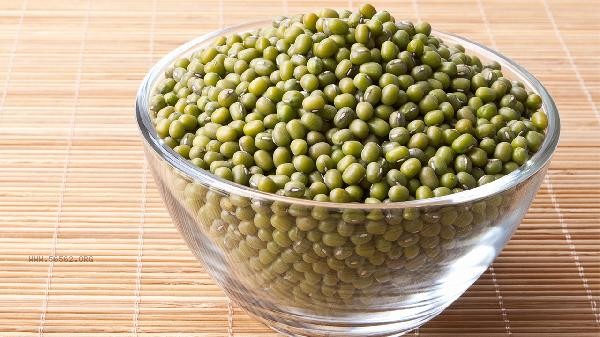
It is recommended to choose vacuum packaging or recently produced products when purchasing mung beans in daily life, and consume them as soon as possible after opening. If a small amount of live insects are found, they can be immediately exposed to sunlight or frozen, but moldy mung beans must be discarded. Keep the kitchen dry and clean, regularly check the storage status of cereal ingredients, and avoid pest infestations that may affect food safety.









Comments (0)
Leave a Comment
No comments yet
Be the first to share your thoughts!