
Green beans with holes made by insects are generally edible, but it depends on the specific situation. If the insect infestation is mild and there is no mold, it can still be consumed after cleaning; If the insect infestation is severe or accompanied by mold, it is not recommended to continue consuming. Green beans may be susceptible to pests during storage due to moisture or improper sealing, with common pests being storage pests such as mung bean weevils. These insects usually only feed on the inside of beans, and the uncontaminated parts still retain their original nutritional components. When processing, the insect infested beans can be screened out first, and the remaining intact beans can be washed repeatedly with clean water, and then thoroughly dried or cooked at high temperature to destroy the residual insect eggs. The taste and safety of mung beans with slight worm infestation are usually not affected after cooking, and they are suitable for cooking Congee or making bean paste. If mung beans show large areas of decay, mold or clumping, it indicates contamination by mold or insect feces. Moldy mung beans may produce harmful substances such as aflatoxins, which cannot be completely decomposed at high temperatures. Consuming them may cause gastrointestinal discomfort and even poisoning. Especially when green or black mold spots appear on the surface of the beans, or when they emit a halal flavor, they must be discarded as a whole batch. It is recommended to store mung beans in sealed containers and place natural insect repellents such as Sichuan peppercorns and dried chili peppers in a dry and cool environment to effectively prevent pest infestations.
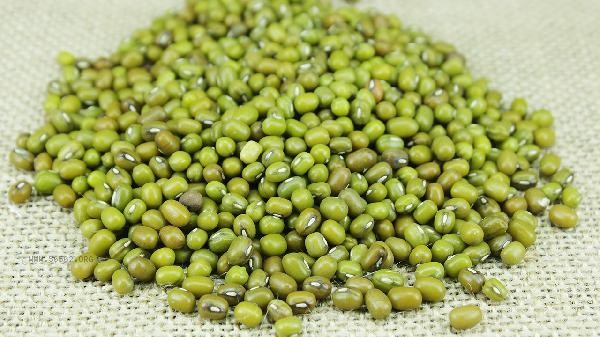
Before daily consumption, carefully check the condition of mung beans and remove any abnormal beans. Green beans that are not consumed for a short period of time can be sealed and frozen for storage. Low temperature can inhibit the hatching of insect eggs. Properly preserved mung beans can retain their nutritional value for a longer period of time. Their rich plant protein, B vitamins, and dietary fiber are helpful in promoting digestion and regulating blood sugar. However, moldy mung beans must be avoided from consumption to avoid health risks.








Comments (0)
Leave a Comment
No comments yet
Be the first to share your thoughts!