
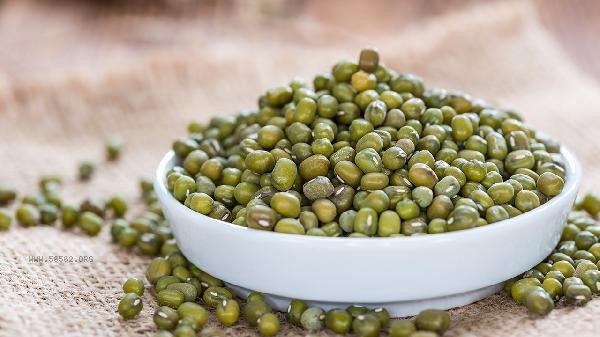
Green beans can still be consumed after being thoroughly cleaned and cooked at high temperatures, provided that there is no mold or large areas of decay. Insect infested mung beans may result in nutrient loss or decreased taste, but usually do not produce harmful substances. Green beans are susceptible to infestation by pests such as bean weevils during storage, with insect infestations mostly concentrated on the surface or between the beans. After selecting and removing the obvious holes from the slightly insect infested mung beans, soak the remaining beans in clean water for more than two hours, and scrub to remove the eggs and excrement. Boiling at high temperature for more than 10 minutes can effectively inactivate potential microorganisms, and is suitable for cooking Congee or making bean paste and other foods that need to be heated for a long time. The processed mung bean protein and carbohydrates can still be absorbed and utilized by the human body, but the vitamin B content may decrease. If mung beans have mold spots, clumps, or more than one-third of their volume has been eaten, it is not recommended to continue using them. Moldy mung beans may breed toxic microorganisms such as Aspergillus flavus, and high temperatures are difficult to completely destroy their toxicity. The structure of mung beans severely damaged by insects is loose and fragile, and the taste significantly deteriorates and the digestion and absorption rate decreases after cooking. Improper storage of mung beans may also mix with insect debris, posing a risk of triggering allergic reactions.
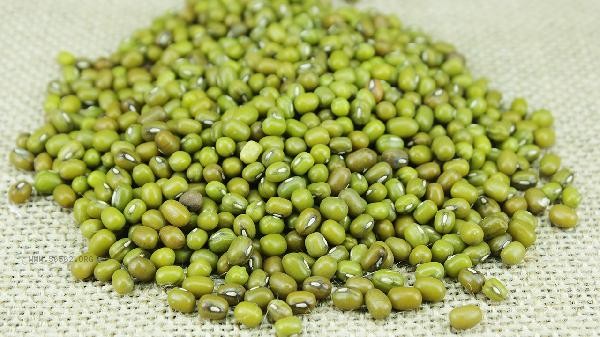
Daily storage of mung beans can be done by freezing to kill the eggs. Newly purchased mung beans can be sealed and frozen at minus 18 degrees Celsius for 48 hours. For long-term storage, it is recommended to use sealed jars and place Sichuan peppercorns or dried chili peppers to prevent insects. Regularly check for signs of insect infestation. Pay attention to the integrity of the beans before consumption, and discard moldy mung beans. Special populations such as infants and young children or those with weakened immunity should avoid consuming suspicious beans.









Comments (0)
Leave a Comment
No comments yet
Be the first to share your thoughts!