
Green bean sprouts can be frozen after blanching, but their taste and nutritional value may decrease. The freezing of mung bean sprouts after blanching is mainly affected by factors such as water loss, texture changes, nutrient loss, thawing method, and storage time. After blanching, the cell structure of mung bean sprouts is disrupted, and the formation of ice crystals during freezing can cause the texture to become soft and lose its crisp taste. Water soluble nutrients such as vitamin C are easily lost during blanching and freezing, but dietary fiber and some minerals can still be retained. Controlling the blanching time within 30 seconds can reduce nutrient loss, and quickly supercooling after removal can maintain color. Frozen mung bean sprouts may experience water leakage and local frostbite. After thawing, they are suitable for stir frying or boiling soup, and cold mixing is not recommended. When sealing the packaging, try to exhaust air as much as possible to avoid repeated thawing. It can be stored for about a month at temperatures below minus 18 degrees Celsius, but the best flavor is achieved within 2 weeks of consumption.
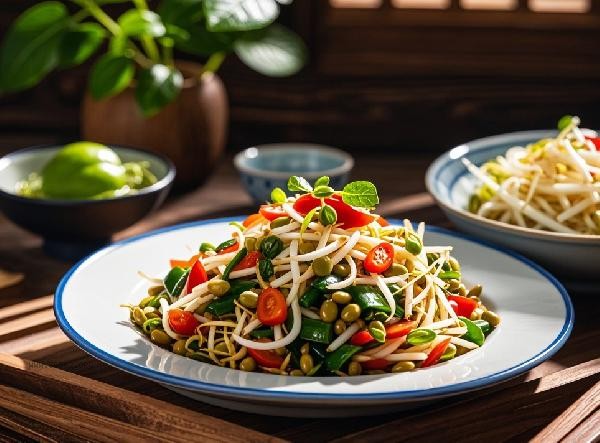
Frozen mung bean sprouts are more suitable for heating and cooking. They can be quickly fried with shredded carrots, agaric and other ingredients, or added to tomato Egg&vegetable soup to increase the taste. Daily recommendation is to buy and eat now. If you need to store, choose refrigeration first. Consuming within 2 days can maximize the preservation of nutrition and flavor. After thawing frozen mung bean sprouts, they should be thoroughly heated to avoid gastrointestinal discomfort.









Comments (0)
Leave a Comment
No comments yet
Be the first to share your thoughts!