
Moxibustion of the navel may have a certain auxiliary effect on weight loss, but the effect varies from person to person. Weight loss requires a combination of dietary control and exercise, and relying solely on moxibustion is difficult to achieve significant results.
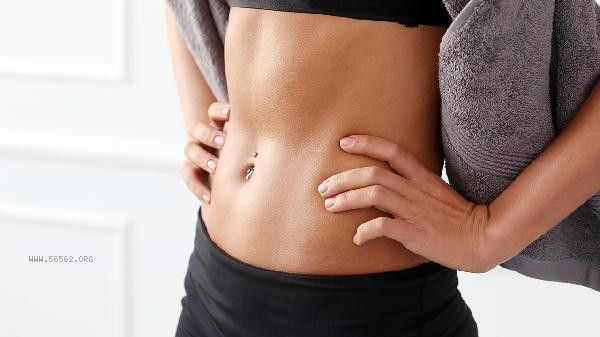
Moxibustion of the navel mainly promotes local blood circulation by stimulating acupoints, which may help improve edema type obesity caused by gastrointestinal dysfunction. Traditional Chinese medicine theory suggests that there are multiple meridians distributed around the navel, and moxibustion in this area may regulate spleen and stomach function, reducing fat accumulation caused by indigestion. Some people may experience a temporary increase in metabolism after moxibustion, and a low calorie diet may assist in weight loss. However, relying solely on moxibustion to burn fat lacks scientific basis, and excessive use may lead to skin burns. Obesity involves a combination of multiple factors, and patients with genetic obesity or endocrine disorder obesity require targeted treatment. The warming effect produced by moxibustion may temporarily reduce appetite, and the long-term effect will weaken as the body adapts.
It is recommended to use moxibustion as an auxiliary method, 2-3 times a week, with each session lasting 15-20 minutes. At the same time, maintain aerobic exercise for more than 30 minutes a day, such as brisk walking or swimming, and reduce intake of high sugar and high-fat foods. Obese patients with hypertension and diabetes should consult with a traditional Chinese medicine doctor before moxibustion to avoid immediate operation on an empty stomach or after meals. Stop immediately if you experience discomfort such as redness, swelling, dizziness, etc.








Comments (0)
Leave a Comment
No comments yet
Be the first to share your thoughts!