
Moxibustion cannot achieve local weight loss, and weight loss needs to be achieved through whole-body fat consumption. Moxibustion may assist in weight loss by regulating metabolism and gastrointestinal function, but the effect varies from person to person and needs to be combined with dietary control and exercise. As a traditional Chinese medicine therapy, moxibustion mainly promotes the circulation of qi and blood by warming and stimulating acupoints. In weight loss applications, abdominal acupoints such as Zhongwan and Guanyuan are often selected, which theoretically can improve gastrointestinal peristalsis and accelerate local blood circulation. Some people may experience a decrease in abdominal circumference, but this is actually the result of changes in whole-body fat metabolism, not selective consumption of abdominal fat. The metabolism of human body fat follows the principle of holism. When the calorie consumption exceeds the intake, fat will gradually decompose from various parts of the body, among which visceral fat is more sensitive to the calorie deficit.
Relying solely on moxibustion may lead to a false weight loss caused by short-term water loss. Excessive and frequent moxibustion may cause skin burns or hypoglycemic reactions. Unauthorized moxibustion by pregnant women, diabetes patients and skin sensitive people may lead to adverse consequences. Some moxibustion therapies that claim to selectively break down abdominal fat lack scientific basis, and excessive stimulation of acupoints may actually interfere with normal metabolism.
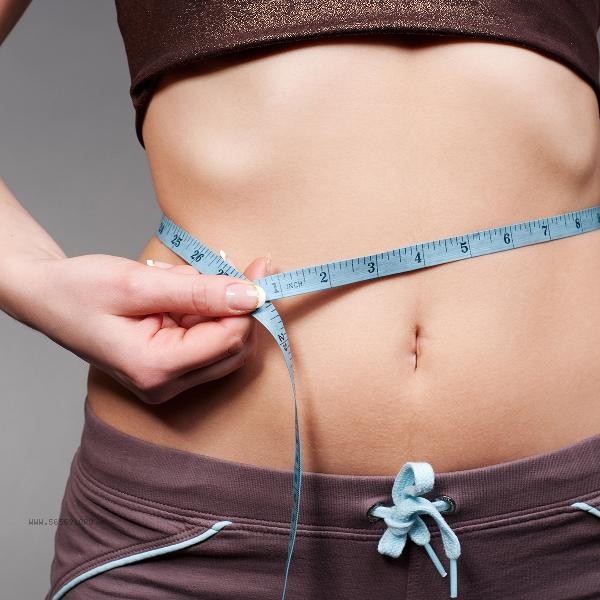
It is recommended to develop personalized plans under the guidance of professional traditional Chinese medicine practitioners, using moxibustion as an auxiliary method in conjunction with aerobic exercise and dietary management. Engage in 3-5 brisk walks, swimming, and other activities for at least 30 minutes per week, with a daily calorie intake of 1500-1800 calories, and an appropriate increase in high-quality protein and dietary fiber intake. Regularly measuring body fat percentage and waist to hip ratio can more objectively reflect the weight loss effect, avoiding excessive attention to changes in a single area.








Comments (0)
Leave a Comment
No comments yet
Be the first to share your thoughts!