
It is not recommended to use moldy rice directly as fertilizer, as it may have adverse effects on plant growth. Moldy rice contains mycotoxins, which may contaminate the soil and harm plant health, but high-temperature composting can reduce the risk. Mold in moldy rice can produce harmful substances such as aflatoxins, which may be absorbed by plants through soil and affect crop safety. Directly using moldy rice may lead to soil microbial imbalance and inhibit plant root development. Fungal spores may also spread with the wind, polluting the surrounding environment. Some molds compete with plants for nutrients, leading to slow plant growth or pathological conditions. The moldy rice processed by professional composting can be converted into safe fertilizer. During the high-temperature composting process, temperatures above 60 degrees Celsius can effectively kill most molds and degrade toxins. Mixing moldy rice with carbon source materials such as straw and fallen leaves, maintaining appropriate humidity and ventilation, and fermenting for more than two months can produce decomposed organic fertilizer. This treatment can preserve nutrients such as nitrogen, phosphorus, and potassium in rice while eliminating the risk of biological pollution.
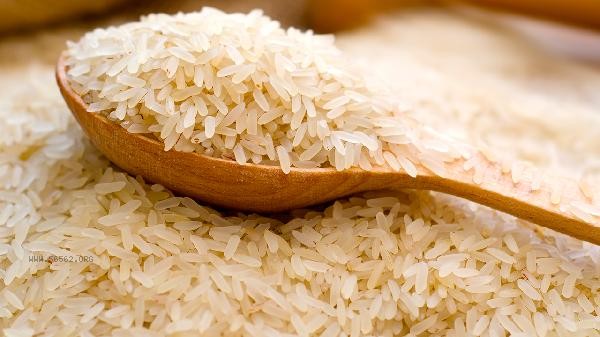
It is recommended to entrust moldy rice to professional composting institutions for processing, or strictly follow high-temperature composting standards for self fermentation. Organic fertilizers can be used as a substitute for household planting to avoid the use of untreated moldy ingredients. Regularly flip the compost to maintain ventilation and ensure that the internal temperature meets the sterilization requirements. Wear a mask and gloves when handling moldy fertilizers to prevent inhalation of fungal spores. When planting edible crops, one should be more cautious in choosing fertilizer sources to ensure food safety.








Comments (0)
Leave a Comment
No comments yet
Be the first to share your thoughts!