
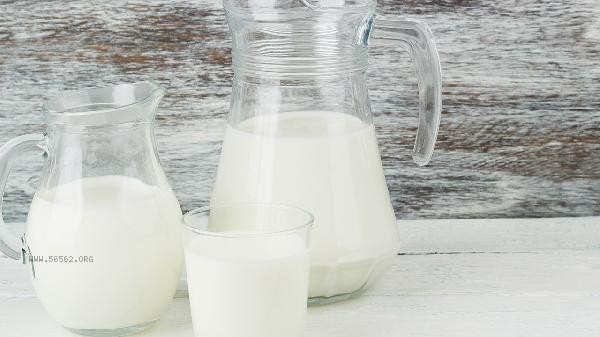
Milk boiled with water is generally drinkable, but its nutritional value may decrease. Adding water when heating milk may cause protein precipitation or fat separation, but it does not affect safety. If you need to dilute milk, it is recommended to boil it and cool it to a suitable temperature before drinking. After boiling milk with water, whey protein and casein may undergo denaturation due to high temperature, forming flocculent precipitates, which is a normal phenomenon. Adding water dilutes the concentration of calcium and vitamin D, but it is more easily absorbed by people with weaker digestive function. During the heating process, some B vitamins may be lost, but core nutrients such as protein and minerals are still retained. Controlling the amount of water added to less than one-third can reduce nutrient loss and avoid boiling for too long. In special circumstances, lactose intolerant individuals may experience reduced bloating symptoms by drinking diluted boiled milk. But if the milk has gone bad or too much water has been added, causing abnormal taste, it is not recommended to continue drinking. Some people may misjudge their tolerance level due to a decrease in lactose concentration after dilution, and instead experience discomfort from excessive intake. When drinking milk in daily life, there is no need to deliberately boil it with water. Simply heat it over water to around 60 degrees Celsius to retain more nutrients. Lactose intolerant individuals can choose Shu Hua milk or yogurt as alternatives, and children and the elderly should pay attention to temperature control when drinking whole milk to avoid burns. Storing milk requires refrigeration and drinking within its shelf life. After opening, consume as soon as possible to ensure freshness.









Comments (0)
Leave a Comment
No comments yet
Be the first to share your thoughts!