
Milk cartons are not recommended to be heated directly in boiling water. Milk cartons are mostly made of paper or plastic composite materials, and high temperatures may cause packaging deformation, harmful substances to precipitate, or seal damage.
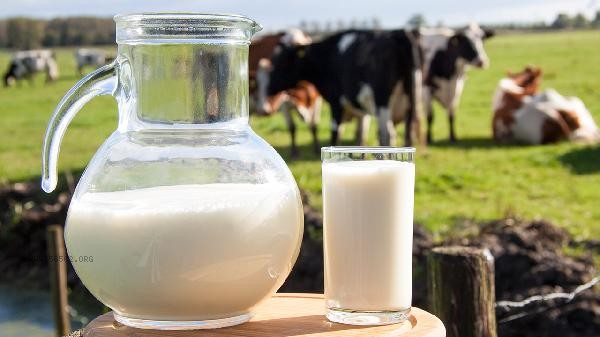
Milk cartons are typically designed for storage at room temperature, and their inner plastic film has limited heat resistance. The temperature of boiling water is close to 100 degrees Celsius, and prolonged soaking may cause the adhesive to soften, leading to packaging delamination or leakage. Some milk cartons are coated with materials such as polyethylene on the inner wall, which may release trace amounts of chemicals at high temperatures. Although it does not pose an acute hazard, there is a potential risk of long-term ingestion. If heating is required, the milk can be poured into a heat-resistant glass or ceramic container and heated with water in between. The temperature should be controlled below 60 degrees Celsius to avoid nutrient loss. In special circumstances, some milk cartons labeled as microwave heatable are made of high-temperature resistant materials, and the packaging will clearly indicate the applicable temperature range. This type of product usually undergoes special processing, and the inner metal film and plastic composite structure can withstand short-term heating. But it is still necessary to avoid direct contact with boiling water. It is recommended to open the packaging and transfer it to another container for heating, which is safer.
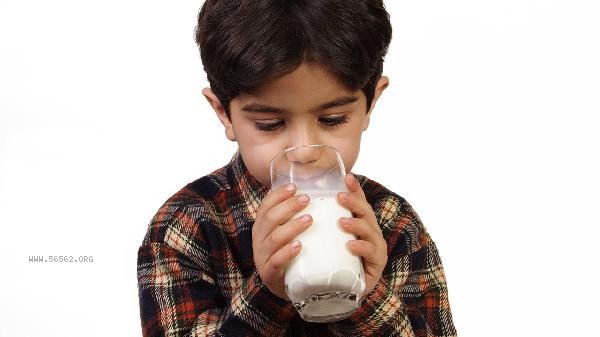
When drinking milk in daily life, it is recommended to choose to heat it separately or use a milk warmer to avoid high temperatures damaging protein and vitamins. After removing the refrigerated milk, it can be left to stand at room temperature before drinking, reducing the need for heating. If you need to bring hot drinks, it is recommended to choose stainless steel insulated cups to keep them warm and avoid packaging material risks. Pay attention to whether there is flocculent sediment or odor after heating the milk. If any abnormalities are found, stop drinking immediately.








Comments (0)
Leave a Comment
No comments yet
Be the first to share your thoughts!