
Litchi can be frozen for storage, but after thawing, the taste will become softer and the juice will lose more water. Fresh lychee is better stored in the short term under refrigeration, while freezing is suitable for long-term storage or as a dessert ingredient. Litchi is a tropical fruit with high water content and abundant sugar content in its flesh. During the freezing process, ice crystals can damage the cell structure, leading to the softening and collapse of the meat due to thawing. If planning to make lychee smoothies or dessert toppings, freezing storage can preserve sweetness but lose the crisp and tender taste of fresh fruit. Before freezing the entire shell, the surface moisture should be drained and sealed in a bag to prevent frostbite. The stone fruit meat can be soaked in light salt water to prevent oxidation and blackening, and divided into small portions to avoid repeated thawing. Fresh lychee can be stored for 3-5 days in a 2-4 ℃ refrigerated environment. It is recommended to wrap it in absorbent paper and put it in a breathable freshness box. Do not consume when brown spots appear on the skin or the flesh becomes sour. Frozen lychee is suitable for stewing soup, making sauce, or pairing with yogurt after thawing, and should not be eaten fresh directly.
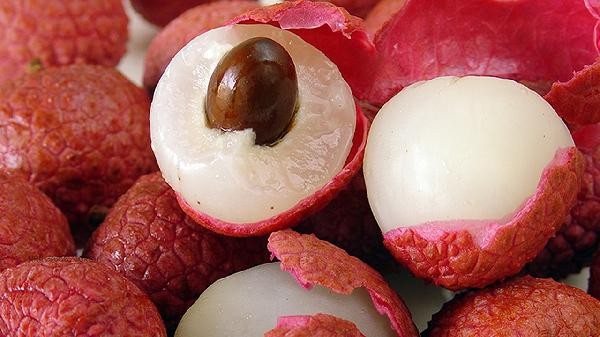
For daily consumption, it is recommended to prioritize fresh lychees and choose mature fruits with bright red and prickly skin and moist stems when purchasing. Litchi stored in frozen conditions loses a significant amount of vitamin C, but its minerals and sugars remain relatively stable. Special people should pay attention to the high sugar content of litchi, and diabetes patients should control their intake. Regardless of the storage method used, it should be consumed within 24 hours after opening.









Comments (0)
Leave a Comment
No comments yet
Be the first to share your thoughts!