
Lotus roots can generally be consumed if they have turned black and have not spoiled, but they should be discarded if they have rotted or emitted an unpleasant odor. The blackening of lotus roots is usually caused by oxidation reactions or microbial growth. It is recommended to determine the treatment according to the specific situation. After cutting open lotus roots, they are exposed to air, and the polyphenols in them undergo enzymatic browning reactions with oxygen, resulting in a darker surface color. This oxidation reaction is a normal phenomenon and does not affect food safety. Slightly blackened lotus roots only need to be peeled off the discolored parts and soaked or blanched in water to remove most of the black substances. Adding a small amount of white vinegar or lemon juice during cooking can effectively inhibit the oxidation process and maintain the white appearance of lotus roots. If lotus roots turn black and have a soft texture, mucous exudation, or emit a sour smell, it may be contaminated by bacteria or mold due to improper storage. A humid environment can accelerate microbial growth and produce harmful metabolites. This type of spoiled lotus root is difficult to completely eliminate toxins even when cooked at high temperatures, and ingestion may cause gastrointestinal discomfort. When storing, it should be kept dry and ventilated. After cutting, it should be consumed as soon as possible or stored in a vacuum sealed freezer.
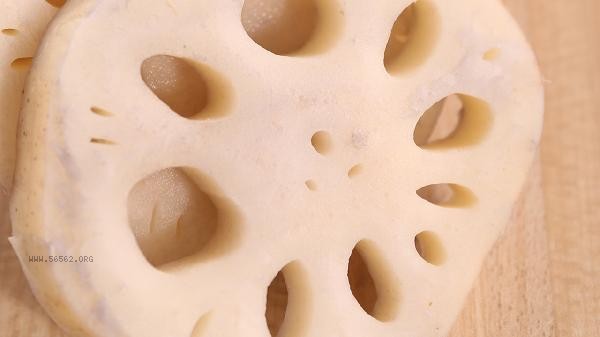
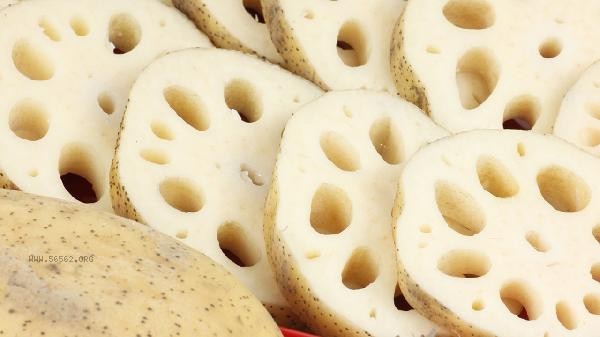
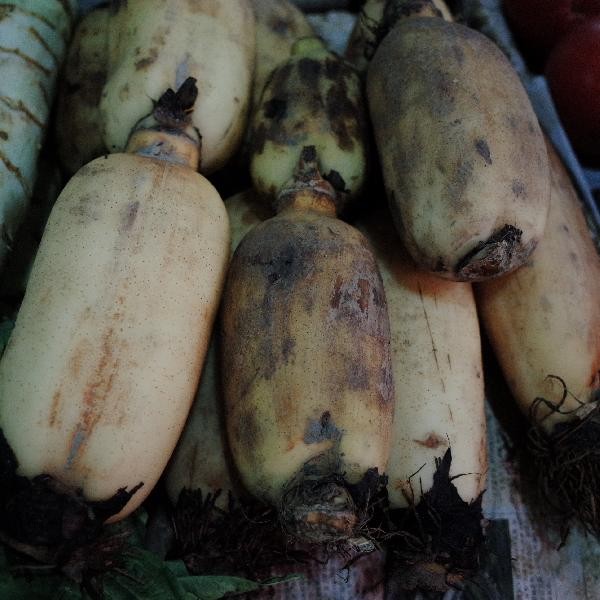
When purchasing lotus roots in daily life, it is advisable to choose fresh individuals with smooth skin and no damage. For short-term storage, they can be placed in a cool place or in the refrigerated layer of the refrigerator. Before cooking, observe whether there are radial black lines on the cross-section. This phenomenon is often caused by transportation damage and can still be consumed after removal. It is recommended to soak the processed lotus roots in light salt water to isolate them from the air, which can delay oxidation and enhance their crisp taste. If individuals with special physical conditions experience abdominal pain and diarrhea after consuming black lotus root, they should seek medical attention promptly to investigate the possibility of food poisoning.








Comments (0)
Leave a Comment
No comments yet
Be the first to share your thoughts!