
After heating, light cream usually cannot be whipped, but light cream that is not completely boiled and rapidly cooled may restore some of its whipping performance. Light cream whipping relies on the stable structure of fat globules, and heating can cause fat to melt and protein to denature, thereby destroying its physical properties.
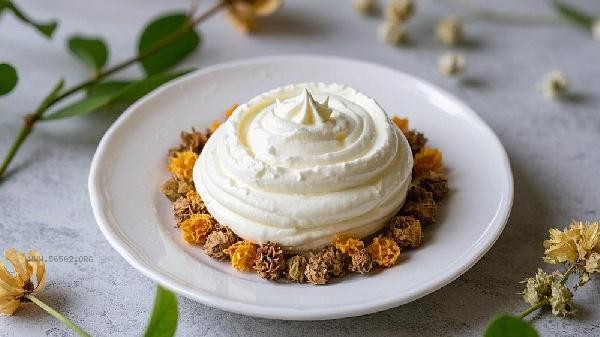
The best whipping temperature of light cream is 4-7 ℃. Low temperature can keep fat semi-solid and form stable foam. If the light cream is only slightly heated to below 30 ℃ and immediately refrigerated to cool down, some products may be able to return to the throwaway state by chilling again. However, if heated to over 40 ℃ or heated for a long time, fat and whey protein will be separated, and even if cooled, it is difficult to form foam structure. Fully boiled or high-temperature treated cream will undergo irreversible denaturation, and the fat globule membrane will rupture and cannot be re wrapped in air. In such cases, stabilizers such as gelatin or xanthan gum can be added to assist in shaping, but the taste and texture will significantly change, making it less light and fluffy than fresh light cream. The ultra-high temperature sterilized cream produced in industry has lost its natural whipping properties due to high-temperature treatment.
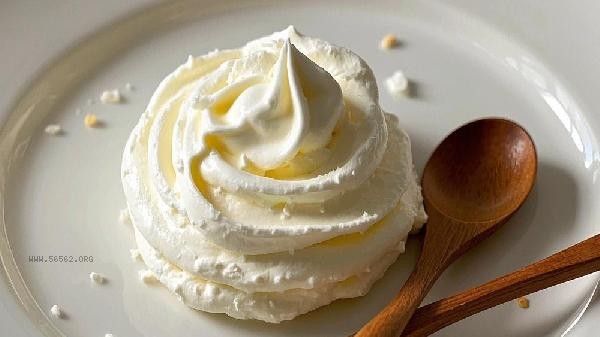
It is recommended to always refrigerate when using light cream, and pre cool the container and tools before whipping to increase the success rate. If you need to make hot drinks or sauces, you can directly choose high-temperature cooking cream. For heated light cream, it can be used as an ice cream base, bread filling, and other non whipped purposes to avoid waste. When storing, pay attention to sealing to prevent cross contamination, and use up as soon as possible after opening.








Comments (0)
Leave a Comment
No comments yet
Be the first to share your thoughts!