
Light cream is usually difficult to beat after freezing, but some brands can still be reused after thawing. Freezing light cream can cause damage to the structure of fat globules, affecting the stability of whipping, and may result in oil-water separation or rough texture after thawing. The main component of light cream is milk fat, and its physical state is crucial for the whipping effect. During the freezing process, water crystallization can puncture the fat globule membrane, causing fat to aggregate and form a granular texture. After thawing, the cream should be placed in the refrigerator and slowly warmed up to avoid excessive temperature differences that may exacerbate separation. After warming up, the precipitated liquid can be filtered with gauze, and the remaining part can be stirred at low speed with an egg beater to try to re emulsify. If there are obvious lumps or tofu residue, it cannot be remedied. This type of cream is suitable for baking rather than piping. Some commercial creams containing stabilizers have good recovery after freezing, but commonly used animal based cream in households has poor frost resistance. Industrial production lines will add emulsifiers such as monoglycerides to maintain the structure, and it is difficult to replicate this effect in home operations without professional equipment. If frozen storage is necessary, it is recommended to divide into small portions for quick freezing. When using, take a single dose and slowly warm it up in an ice bath. The volume of frozen cream after secondary whipping is only 60-70% of that of fresh cream, and it is prone to collapse and deformation after piping.
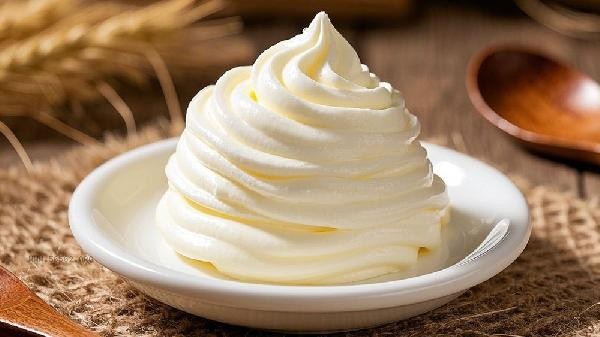
To ensure the best taste, it is recommended to use the whipped cream as soon as possible after opening. If short-term storage is required, it can be refrigerated for no more than 72 hours and stored away from the inner wall of the refrigerator to prevent local freezing. Refrigerating the container and egg beater before passing can increase the success rate. In summer, ice packs can be placed at the bottom of the bowl to control the temperature. Deteriorated cream may have a rancid taste or flocculent sediment, and should not be consumed again.








Comments (0)
Leave a Comment
No comments yet
Be the first to share your thoughts!