
Lemon with skin broken can generally be consumed together, but it should be cleaned thoroughly and consumed in moderation. Lemon peel is rich in nutrients, but may contain pesticide residues or have a bitter taste. Lemon peel is rich in nutrients such as vitamin C, flavonoids, and dietary fiber, which have health benefits such as antioxidant and digestive promotion. Crushing lemon peel can fully utilize its nutritional value, especially suitable for making lemon water or adding it to fruit juice. The aromatic oil in fresh lemon peel can also add unique flavor and enhance the taste of beverages. Some people may be sensitive to the bitter substances in lemon peel, and excessive consumption may cause gastrointestinal discomfort. The epidermis may have residual pesticides or wax, and should be thoroughly cleaned with salt scrubbing or food grade cleaning agents. For those with weak gastrointestinal function, it is recommended to peel and crush to avoid irritation. The photosensitive substances in lemon peel may also increase the sensitivity of the skin to ultraviolet radiation, and people with sensitive constitutions need to control their intake.
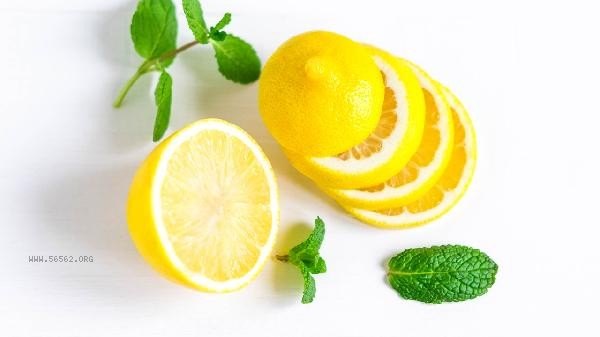
It is recommended to choose organically grown lemons to reduce pesticide residues. Before crushing, rinse with running water and soak for a moment. First time users can add a small amount of lemon peel to observe their body reaction and avoid drinking lemon products on an empty stomach. Pay attention to pairing other fruits and vegetables in daily diet to maintain a balanced nutrition. For those with special health conditions, consult a professional physician or nutritionist for advice.









Comments (0)
Leave a Comment
No comments yet
Be the first to share your thoughts!