
Kiwi fruit can generally be eaten with its skin, but it needs to be thoroughly cleaned and the skin must be ensured to be free from damage or contamination. Kiwi peel is rich in dietary fiber and antioxidants, but it has a rough texture and may contain pesticide residues. The dietary fiber content in kiwifruit peel is more than twice that of fruit pulp, which helps promote intestinal peristalsis and improve digestive function. The fruit peel is also rich in polyphenolic compounds and vitamin E, which have antioxidant and anti-inflammatory effects. Before consumption, it is necessary to repeatedly scrub the surface fuzz with running water, or use a soft bristled brush to gently remove impurities. People who are allergic to kiwifruit or have gastrointestinal sensitivity should peel and consume it to avoid irritation of the mouth or throat caused by the fuzz. The fruit peel may contain residual pesticides or preservatives. It is recommended to choose kiwifruit grown organically with the skin for safer consumption.

Some varieties of kiwifruit have thicker and more sour skin, and the taste is better after peeling. The small hairs on the surface of the fruit peel may cause itching or allergic reactions in some people's mouths. If mold spots, insect infestations, or obvious chemical odors are found on the skin, it must be peeled before consumption. Children and the elderly have weaker digestive function, it is recommended to eat without skin to reduce gastrointestinal burden. Patients with chronic gastritis or irritable bowel syndrome should avoid consuming fruit peels to prevent worsening symptoms.
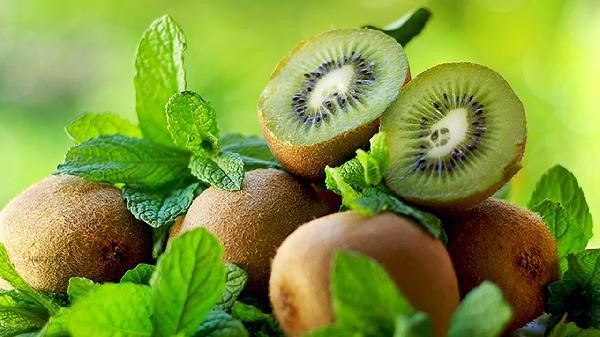
When consuming kiwifruit in daily life, soak it in salt water for ten minutes before cleaning, which can effectively remove surface residues. It is recommended that those who are trying to consume with skin for the first time start with a small amount and observe their body's reaction before adjusting their consumption method. Pairing sliced kiwifruit with yogurt or oats can improve the taste while retaining more nutrients. Be careful to avoid overeating with high protein foods to prevent tannic acid from affecting protein digestion and absorption. Maintaining dietary diversity and combining different fruits in a reasonable way can provide more comprehensive nutrition.









Comments (0)
Leave a Comment
No comments yet
Be the first to share your thoughts!