
Generally, jackfruit can be washed with water, but attention should be paid to the cleaning method and pulp treatment details.
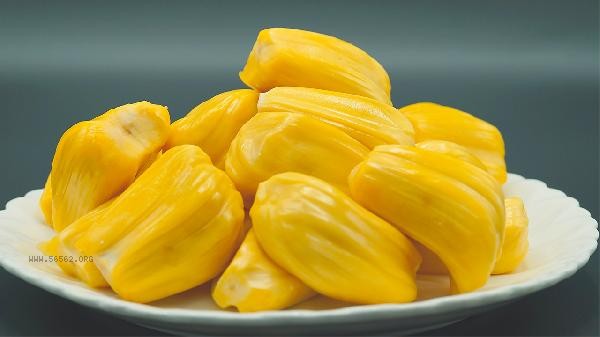
The surface of jackfruit has dense spines and viscous juice, and direct washing may lead to dirt residue. It is recommended to first wipe off the skin mucus with kitchen paper towels, and then gently brush the surface depressions with flowing water and a soft bristled brush. When cleaning, keep the fruit stem facing upwards to prevent sewage from seeping into the gaps between the flesh. For sliced fruit pulp, it can be soaked in light salt water and drained to clean and reduce the risk of sensitization.
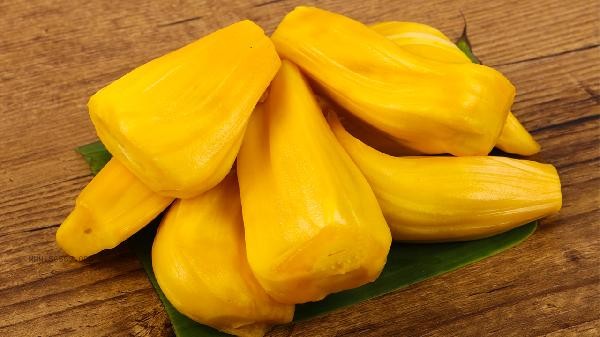
If the skin of jackfruit has mildew or decay, the mildew pollution cannot be eliminated by washing, and the deteriorated part needs to be discarded. The juice of some varieties of jackfruit is oxidized and blackened after ripening, which is a normal phenomenon, but it is not suitable to eat if it is accompanied with odor or flesh softening. The washed jackfruit should be eaten as soon as possible to avoid bacteria breeding in humid environment.

When handling jackfruit, you can wear gloves to prevent juice from touching your hands, and mucus contact with the skin may cause itching. It is suggested to choose fruits with moderate maturity. The immature jackfruit contains more allergens. Store in a cool and ventilated place for daily use, and refrigerate for no more than two days after cutting open. People who are allergic to tropical fruits should try a small amount of food for the first time. If there are reactions such as numbness in the lips, they should stop eating immediately.








Comments (0)
Leave a Comment
No comments yet
Be the first to share your thoughts!