
Jackfruit is generally edible after washing, and washing helps to remove surface dust and pesticide residues. But if the fruit pulp becomes soft, rotten, has a strange odor, or moldy after cleaning, it is not recommended to consume.
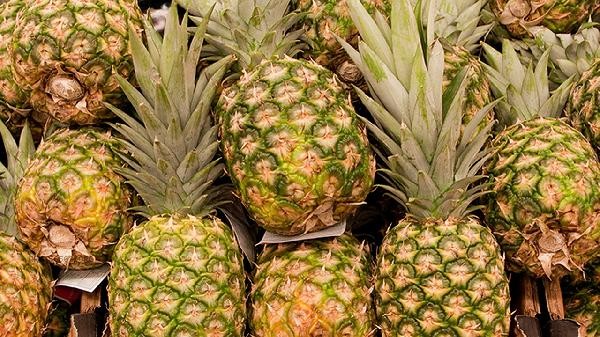
The skin of jackfruit is thick and there may be sticky juice on its surface. It is recommended to wash it gently with flowing water to avoid pulp damage caused by forced scrubbing. After cleaning, it is necessary to dry the water or air dry it in a timely manner, as humid environments can accelerate deterioration. The intact and uncut jackfruit can be stored for a long time in a cool and ventilated place after cleaning; If it has been cut open, it should be refrigerated and consumed as soon as possible.
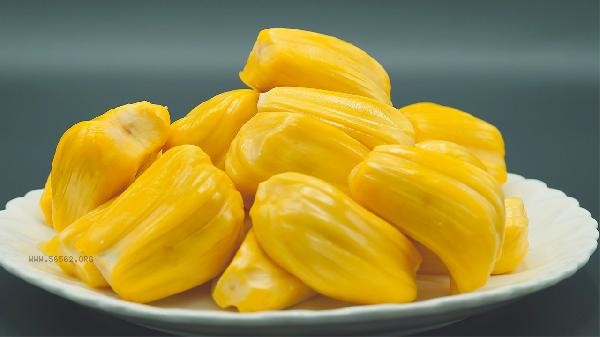
jackfruit should not be eaten even after cleaning if it has been blackened, sour or exuded mucus due to improper storage before cleaning. This type of deterioration may be caused by transportation collision, high temperature and humidity, or microbial contamination, and ingestion may cause gastrointestinal discomfort. Especially for people with weaker immune systems, it is necessary to carefully check the freshness of fruits.
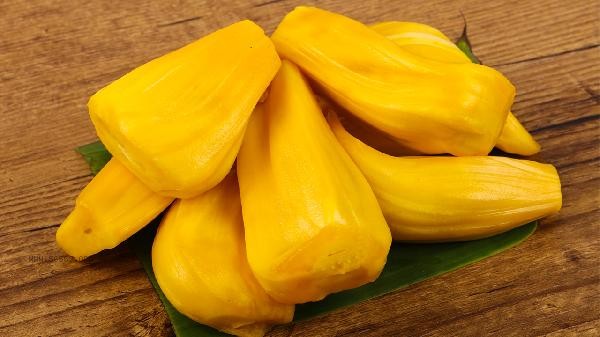
For daily consumption of jackfruit, it is recommended to choose mature fruit with golden shell and sweet smell. When cleaning, pay attention to whether the fruit base is dry and free of mold. Appropriate consumption of fresh jackfruit can supplement vitamin C and dietary fiber, but because of its high sugar content, diabetes patients should control their intake. When storing, avoid mixing with fruits such as apples and bananas that release a large amount of ethylene to prevent overcooking and spoilage.








Comments (0)
Leave a Comment
No comments yet
Be the first to share your thoughts!