
On the sixth day after weight loss with buried thread, sweating can usually be done, but it is necessary to ensure that the buried thread site is free of abnormal conditions such as redness, swelling, infection, etc. If there is obvious discomfort or skin damage in the buried area, it is not recommended to sweat.
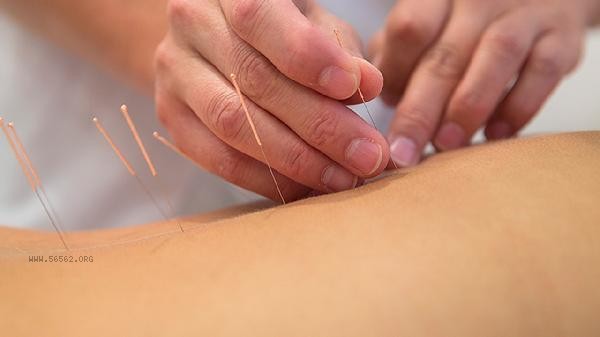
Thread embedding weight loss is the process of implanting absorbable thread bodies into specific acupoints under the skin, promoting metabolism through continuous stimulation. On the sixth day after surgery, the majority of the patients had initially fixed their body and the local trauma had basically healed. The high temperature environment during sweating and steaming may accelerate blood circulation, which helps with thread absorption and local metabolism, but the time should be controlled within 15-20 minutes to avoid excessive sweating and moisture in the buried thread area. After sweating, the skin should be wiped dry in a timely manner to keep the buried area clean and dry. If there is local redness, increased pain, or exudation after thread embedding, sweating may exacerbate the inflammatory response. At this time, high temperature can dilate blood vessels, causing congestion and edema at the buried site, and even inducing infection. Some people may experience delayed itching or hardening in response to body rejection, and sweating can exacerbate discomfort. postoperative physical weakness can lead to dizziness and dehydration caused by sweating, and careful assessment of physical condition is necessary.
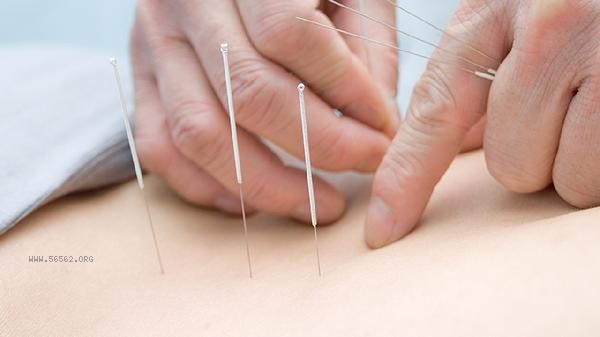
After losing weight with buried thread, one should avoid vigorous exercise and scratching the buried thread area. The diet should be light and supplemented with high-quality protein. Drinking diluted salt water before and after sweating can prevent electrolyte imbalance. If symptoms such as palpitations and skin pain occur, they should be stopped immediately. It is recommended to have a follow-up examination within two weeks after surgery, and the doctor should evaluate the absorption of the suture before deciding whether to undergo high-temperature therapy.








Comments (0)
Leave a Comment
No comments yet
Be the first to share your thoughts!