
It is generally not recommended to continue consuming rice if there are insects in it. If the number of insects is extremely small and the rice is fully heated at high temperatures, it may not have a direct impact on health, but there is a potential risk of contamination; If there are many insect bodies or if there is mold or odor, they must be discarded. During the storage process of rice, common storage pests such as rice weevils may breed due to moisture or improper sealing. These insects themselves are non-toxic, but their secretions, excreta, and corpses may carry mold or bacteria. Although high-temperature cooking can kill live insects, it cannot completely eliminate the safety hazards caused by metabolic products. Especially for people with weaker gastrointestinal function, consuming it may cause discomfort such as abdominal pain and diarrhea. From a nutritional perspective, insect infestation can cause damage to the starch structure of rice, loss of vitamin B family, and reduce its edible value. If rice worms are found to be in the early stages of activity and sparsely distributed, the rice can be spread out, dried, and thoroughly steamed after repeated washing. But this method is only applicable to a small number of live insects and rice grains that have not spoiled, and should be consumed as soon as possible after processing to avoid secondary pollution. It should be noted that some rice worm larvae are small in size and easily hide inside rice grains, making it difficult to completely eliminate them with the naked eye.
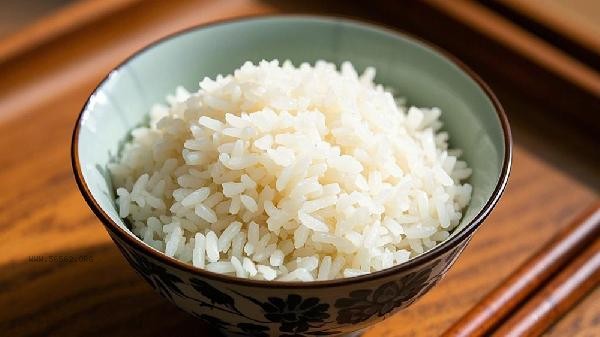
For daily storage of rice, it is recommended to use a sealed container and place it in a cool and dry place. Natural insect repellent materials such as Sichuan peppercorns and garlic can be added. Regularly check the rice tank and avoid purchasing too much at once. In summer, it can be packaged and frozen for storage during high temperatures. If severe insect infestation or sticky discoloration of rice grains is found, the entire batch must be discarded. Food safety is not a trivial matter, do not sacrifice the big for the small.








Comments (0)
Leave a Comment
No comments yet
Be the first to share your thoughts!