
It is generally not recommended to continue drinking milk that has become hot and burnt. Excessive heating of milk can cause protein denaturation, nutrient loss, and may produce harmful substances. When milk is heated to a gelatinized state, lactose undergoes caramelization reaction, producing bitterness and brown substances. High temperature can cause structural damage to whey protein and casein, reducing digestion and absorption rates. Some vitamins, such as vitamin B and vitamin C, are sensitive to heat and can be easily destroyed by prolonged high temperature heating. The fat in milk may oxidize under sustained high temperatures, producing harmful compounds such as aldehydes. If the milk is only slightly burnt and there is no obvious burnt taste, it can be filtered and consumed in small amounts, but its nutritional value has been significantly reduced. Infants, young children, people with weak gastrointestinal function or low immunity should avoid drinking any gelatinized milk. For daily heating of milk, it is recommended to use low heat and separate water heating, with the temperature controlled at 60-70 degrees Celsius to avoid boiling. Improper storage of spoiled milk can easily produce harmful substances when heated, and special attention should be paid.
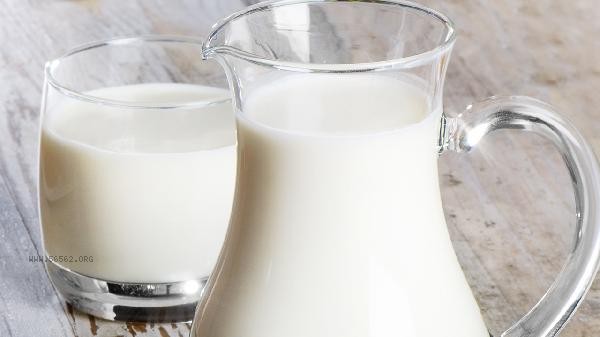
Choosing fresh milk and using the correct heating method can maximize the retention of nutrients. Pasteurized milk can be consumed directly without the need for repeated heating. If symptoms such as abdominal pain and diarrhea occur after drinking milk, seek medical attention promptly. In daily diet, soybean milk, yogurt and other substitutes can be used to supplement protein and calcium, and attention to food diversity is more conducive to nutrition balance.









Comments (0)
Leave a Comment
No comments yet
Be the first to share your thoughts!