
Lotus root soup can be consumed if it has turned black and has not spoiled. The discoloration is mainly caused by the oxidation of polyphenolic substances in lotus roots. The blackening of lotus root soup is mainly due to differences in lotus root varieties, the influence of cooking utensils, changes in water quality acidity and alkalinity, accelerated oxidation reactions, and prolonged storage time.
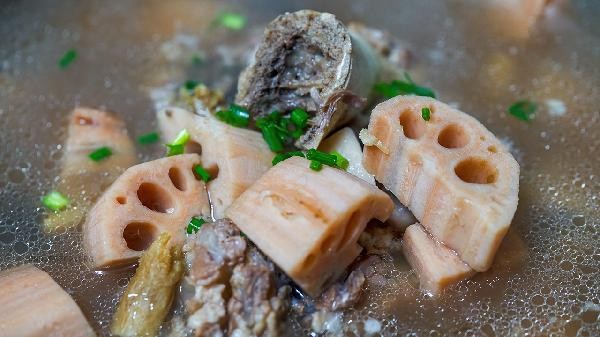
1. Differences in Lotus Root Varieties
Some lotus root varieties have higher iron content and are prone to oxidation reactions upon contact with air, resulting in the formation of black substances. This type of lotus root may have a darker color when cooked, but it will not affect the safety of consumption. It is recommended to choose lotus root varieties with smooth skin and white incisions, which can reduce the probability of darkening the soup color.
II. Effects of Cooking Utensils
When using an iron or aluminum pot to stew lotus roots, metal ions will combine with tannic acid in the lotus roots to form a black complex. Using ceramic or stainless steel pots for cooking can effectively avoid abnormal changes in soup color while preserving the fragrant taste of lotus root.
III. Changes in pH of Water Quality
Alkaline water quality can accelerate the oxidative polymerization reaction of phenolic substances in lotus roots, leading to a darker color of the soup. Before cooking, a small amount of white vinegar can be used to adjust the acidity and alkalinity of the water, or pure water can be used to stew the soup, which can maintain the clear and transparent appearance of the soup.
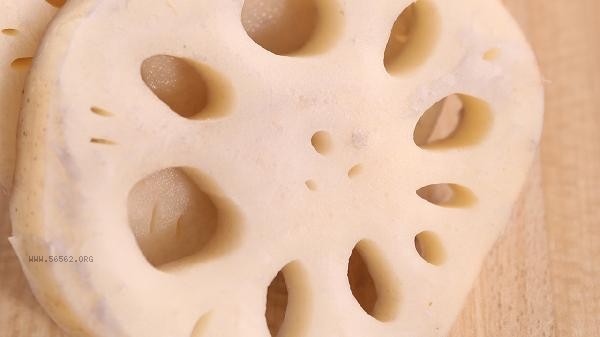
Fourth, Accelerated Oxidation Reaction
After lotus root is cut open and exposed to air, polyphenol oxidase at the cut site catalyzes the oxidation of phenolic substances into quinone compounds. Soaking the cut lotus roots in diluted salt water or quickly blanching them before cooking can effectively inhibit enzymatic browning reactions.
5. Long storage time
After cooking lotus root soup for a long time, the continuous oxidation reaction will gradually darken the color of the soup. It is recommended to cook and eat immediately. If storage is required, it should be sealed and refrigerated, and consumed within 24 hours. If the soup has a sour taste or flocculent substance, it should not be continued to be consumed.
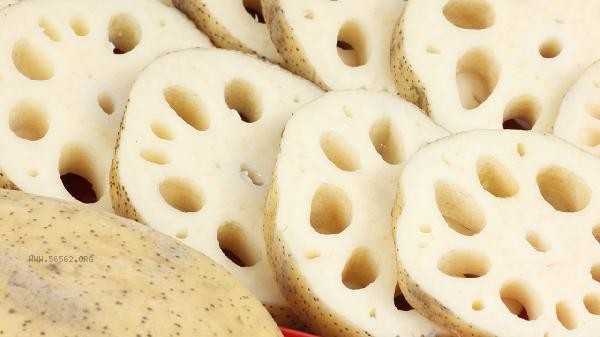
The discoloration of lotus root soup is a normal phenomenon, and it is necessary to confirm that there are no signs of spoilage before consumption. When cooking in daily life, you can pair it with ingredients such as pork ribs and peanuts to increase nutrition, and avoid cooking with iron rich foods. People with spleen and stomach deficiency and cold should control their consumption. For those with weak digestive function, it is recommended to stew lotus roots until soft and tender. When selecting fresh lotus roots, pay attention to observing whether there are black spots on the cross-section, whether the skin is intact and undamaged, and maintain a ventilated and dry environment during storage.








Comments (0)
Leave a Comment
No comments yet
Be the first to share your thoughts!