
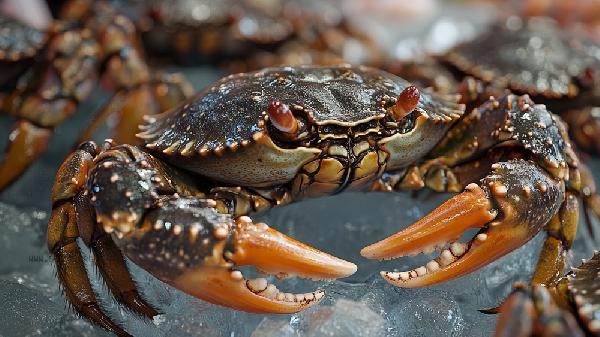
It is possible to steam crabs directly after rinsing, but it is recommended to thoroughly clean them before steaming for safety. Crabs may have sediment, bacteria, or parasites attached to their bodies, which cannot be completely removed by simple washing. Adequate cleaning can reduce food safety risks. When crabs are directly washed and steamed, high temperatures can kill most microorganisms, but the dirt in the crevices of the shell may contaminate the meat. Fresh crabs need to be checked for vitality before steaming. Dead crabs are prone to breeding harmful substances and should not be consumed. The steaming time should be sufficient, usually continue steaming for 15-20 minutes after the water boils to ensure it is fully cooked. If crabs grow in polluted water areas or have poor hygiene conditions during transportation, they may have residual heavy metals or pathogenic bacteria on their bodies. It is recommended to clean the crab shell, belly navel, and joints with a brush, cut off the gills, and soak them in light salt water. Special populations such as pregnant women, children, or those with low immunity should pay more attention to thorough cleaning and sufficient heating.
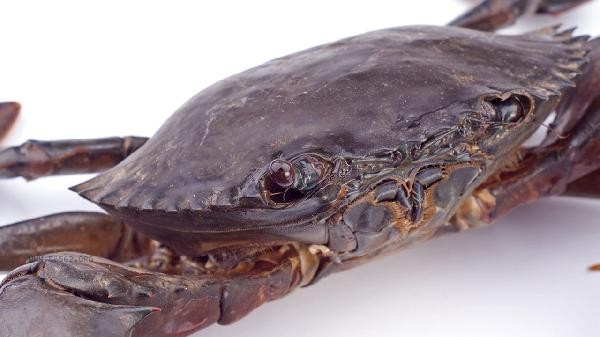
When eating crabs in daily life, choose fresh individuals, clean the gaps in the shell with a toothbrush before steaming, and use ginger vinegar juice to help kill bacteria. Avoid consuming internal organs such as crab hearts and stomachs, and control single intake to prevent gastrointestinal discomfort. If you are allergic to seafood or experience abnormal reactions such as diarrhea, you should immediately stop eating and seek medical attention.








Comments (0)
Leave a Comment
No comments yet
Be the first to share your thoughts!