
breastfeeding can lead to weight loss, but it is necessary to use scientifically reasonable methods to avoid affecting milk secretion and maternal and infant health. Breastfeeding women may naturally lose weight due to changes in hormone levels and increased energy expenditure. Moderately controlling calorie intake and increasing low-intensity exercise can help with healthy weight loss, but it is necessary to ensure sufficient daily intake of high-quality protein, vitamins, and minerals. It is recommended to increase daily calorie intake by about 500 calories during lactation compared to non lactation. It is advisable to prioritize foods with high nutrient density such as fish, lean meat, and soy products to avoid excessive dieting that can lead to reduced milk secretion. Exercise can be done through postpartum yoga, walking, and other methods, 3-5 times a week for 20-30 minutes each time. Intense exercise may temporarily increase the lactate content in breast milk. Some women may have difficulty losing weight due to differences in physical constitution or improper breastfeeding methods. Postpartum thyroiditis, polycystic ovary syndrome, and other diseases may interfere with metabolism, leading to abnormal weight. The use of weight loss pills, meal replacement products, or extreme dieting may lead to harmful substances in breast milk, and infants may experience adverse reactions such as rejection of milk and diarrhea. A daily calorie intake of less than 1500 calories may cause symptoms of hypoglycemia such as dizziness and fatigue, and long-term malnutrition can also affect wound healing and uterine recovery.
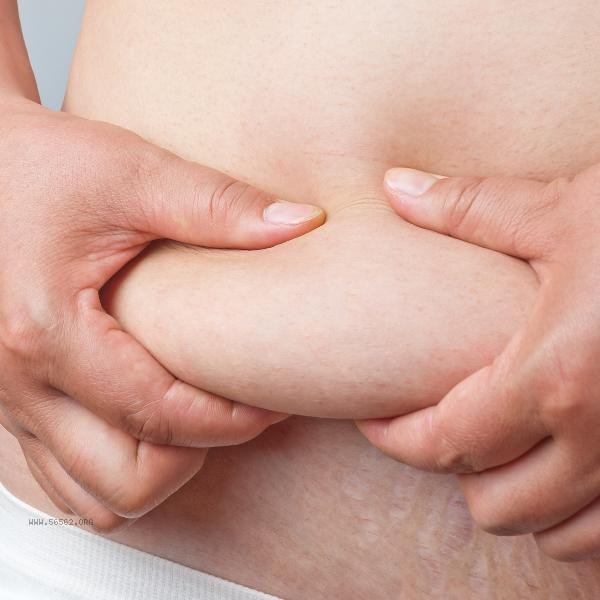
Weight loss during lactation should be controlled within the range of 0.5-2 kilograms per month, and the infant's weight growth curve should be monitored regularly. If there is a significant decrease in milk production, persistent fatigue, or palpitations, it is necessary to stop the weight loss plan in a timely manner and consult a nutritionist. Daily diet and exercise can be recorded to create a calorie deficit by adjusting the type of food rather than reducing the total amount, such as replacing refined rice and flour with whole grains and using steaming and boiling methods more often during cooking. Maintaining a daily water intake of 2-3 liters and a sleep duration of no less than 7 hours can help maintain normal metabolic levels.










Comments (0)
Leave a Comment
No comments yet
Be the first to share your thoughts!