
Raisins can be eaten directly without washing, but it is recommended to wash them before consumption for safety. Raisins may be contaminated with dust, microorganisms, or pesticide residues during processing and transportation, and cleaning can effectively reduce health risks. After drying and packaging, raisins may have a small amount of sand or processing dust remaining on the surface. Modern food processing standards have strict requirements for the cleanliness of raisins, and qualified products purchased through formal channels usually meet hygiene standards. Direct consumption of unwashed raisins generally does not have a significant impact on healthy individuals, but may result in ingestion of trace impurities. Choosing products with sealed packaging and quality certification marks can reduce the risk of contamination. After opening, pay attention to sealing and storing to avoid moisture. Some raisins may come into contact with birds or insects during the drying process, and there is a possibility of microbial contamination on the surface. The sulfur fumigation process used in processing plants may contain residual sulfur dioxide, which may cause allergic reactions in sensitive populations. Rinsing with flowing water for 30 seconds can remove most surface pollutants, and soaking in warm water for 5 minutes is more effective. Special populations such as infants, pregnant women, or those with low immunity are recommended to thoroughly clean or choose sterilized packaging products. Although organic raisins have low pesticide residues, they may still adhere to pollutants present in the natural environment.
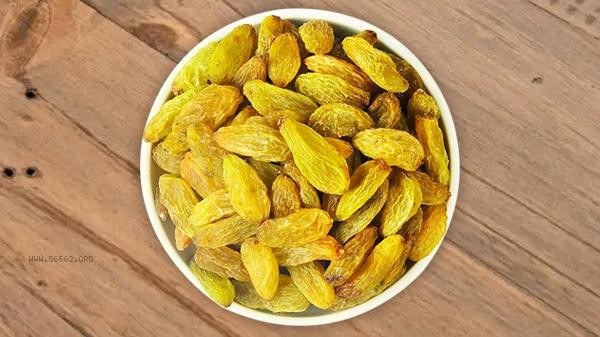
Raisins for daily consumption can be washed with a sieve and running water, drained, and then air dried or low-temperature dried. When paired with nuts and oats as a healthy snack, washing them in advance can improve food safety. When storing, pay attention to moisture and insect prevention. After opening, it is recommended to refrigerate and consume as soon as possible. If raisins have a strange odor, mold, or abnormal viscosity, they should be immediately stopped from consumption. Reasonable cleaning can preserve the nutritional content of raisins while maximizing food hygiene.








Comments (0)
Leave a Comment
No comments yet
Be the first to share your thoughts!