
It is usually not recommended to continue consuming fruits that have slightly rotted. Rotten parts may contain fungal toxins, and even if visible spoilage is removed, there may still be microbial contamination or toxin diffusion in the non rotten area. After fruit rots, mold may produce toxins such as penicillin, which are heat-resistant and easily spread. When fruits such as apples and pears rot, toxins may penetrate into the surrounding tissues, making it difficult to distinguish with the naked eye. After consumption, it may cause acute gastroenteritis, with symptoms such as abdominal pain and diarrhea. Long term intake of low-dose mycotoxins may also cause chronic damage to the liver and kidneys. The risk of microbial contamination in rotten fruits is relatively high, with common species such as Escherichia coli and Salmonella. People with weakened immune systems should be particularly vigilant. Some fruits with minor scratches or frostbite can still be consumed if they have not grown mold and are treated in a timely manner. When the outer skin of bananas and citrus fruits is partially blackened but the flesh is intact, it usually belongs to enzymatic browning phenomenon. In such cases, after removing the damaged area, the remaining portion is relatively safe to consume in the short term. However, it is important to observe whether the fruit pulp has become soft, sour, or has any unusual odor. Any abnormalities should be immediately discarded.
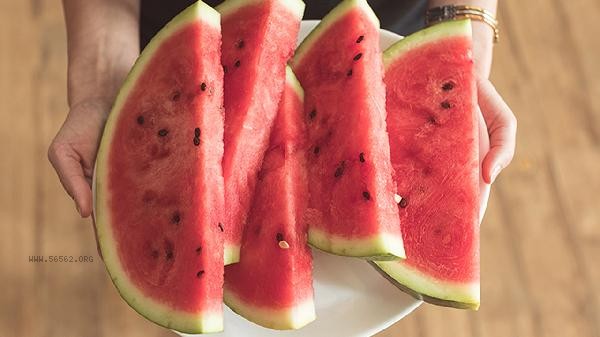
Daily storage of fruits should avoid squeezing and colliding, and tropical fruits should not be refrigerated. When local decay is found, it is recommended to discard the entire piece. In special circumstances, fruits with minor damage should be consumed, and the surrounding flesh should be cut off by more than two centimeters, and only a small amount should be consumed by adults. Children, pregnant women, and immunocompromised individuals should strictly avoid it. Choose fresh and intact fruits when purchasing, and buying small quantities multiple times can reduce the problem of spoilage caused by storage.








Comments (0)
Leave a Comment
No comments yet
Be the first to share your thoughts!