
The back part of snail meat is usually visceral mass and is not recommended for consumption. The internal organs of snails may contain sediment, parasites, or metabolic waste, posing health risks. When dealing with snails, they should be thoroughly cleaned and their internal organs removed, and only the muscle parts should be consumed. The visceral mass of the snail is located at the tail of the snail meat, with a dark color and soft texture, making it easy to come into contact with the external environment. This part may accumulate heavy metals, bacteria, or parasite eggs in the water. Although high-temperature cooking can kill some pathogens, it cannot completely remove harmful substance residues. Eating may cause gastrointestinal discomfort or parasitic infections, especially for people with weaker digestive function, the risk is higher. Traditional cooking methods usually involve squeezing the tail of the screw to expel internal organs during cleaning before cooking. In some local culinary cultures, there is a habit of consuming the internal organs of snails, which is believed to have a unique flavor. However, modern food safety research has shown that even after prolonged high-temperature treatment, the cholesterol and purine levels in the internal organs are high, which is unfavorable for patients with high uric acid or cardiovascular disease. If you insist on eating it, you should choose snails grown in a clean water environment and try a small amount while ensuring thorough cooking.
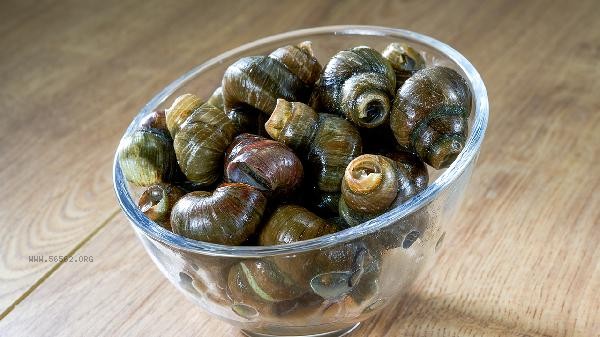
It is recommended to soak snails in water and drip oil to promote sand spitting before consuming them. After cutting off the internal organs at the tail, heat them thoroughly. Pairing with spices such as perilla and ginger that have antibacterial properties can reduce the risk. Children, pregnant women, and immunocompromised individuals should avoid consumption, and seek medical attention promptly if symptoms such as abdominal pain and diarrhea occur. It is recommended to choose safer aquatic products such as shrimp and fish to supplement high-quality protein in daily diet.








Comments (0)
Leave a Comment
No comments yet
Be the first to share your thoughts!