
Rice that is not very cooked is generally not recommended for consumption as it may cause gastrointestinal discomfort. Uncooked rice has insufficient starch gelatinization, low digestion and absorption rate, and may contain pathogenic microorganisms. The starch molecular structure in undercooked rice is not fully destroyed, making it difficult for human digestive enzymes to effectively decompose, which may lead to digestive symptoms such as bloating and acid reflux. Some people have weak gastrointestinal function and are prone to abdominal pain or diarrhea after consumption. Rice that has not reached its boiling point and is continuously heated may have residual microorganisms such as Bacillus cereus, posing a risk of food poisoning, manifested as nausea, vomiting, or low-grade fever.
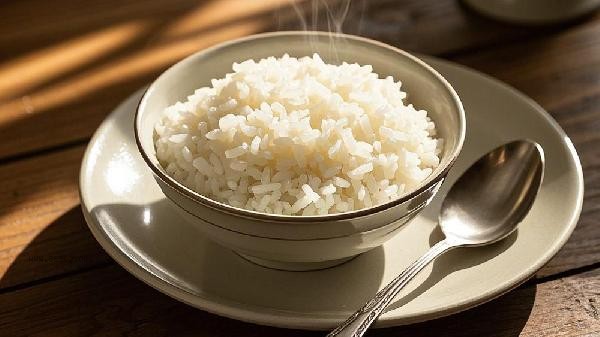
In special circumstances where a small amount of undercooked rice is ingested without adverse reactions, the burden on the gastrointestinal tract can be reduced by chewing thoroughly. However, patients with diabetes need to be more alert. The glycemic index of unglazed starch is unstable, which may affect blood sugar control. If there is persistent abdominal pain or fever after consumption, the possibility of bacterial infection should be considered.

It is recommended to soak rice in advance during daily cooking, with a water ratio of 1:1.2. After the rice cooker trips, let it simmer for 10 minutes to allow the water to penetrate evenly. If you find rice undercooked while dining out, you can request to re cook it. Elderly and children should avoid eating the slightly hard portion of the rice crust. Long term consumption of unripe rice may induce chronic gastritis, and timely gastroscopy examination is necessary for recurrent digestive symptoms.








Comments (0)
Leave a Comment
No comments yet
Be the first to share your thoughts!