
It is generally not recommended to consume rice if it smells unpleasant, as there may be a risk of mold growth. Moldy rice may produce harmful substances such as aflatoxins, which may cause gastrointestinal discomfort or food poisoning after consumption. During the storage process of rice, if it gets damp or the temperature is too high, it is easy to breed mold and produce a sticky taste. If rice with slight masking does not show obvious mold spots, thorough washing and high-temperature steaming may reduce the risk, but it cannot completely remove toxins. It is recommended to observe whether the rice grains turn yellow, green or have mold spots, and also check for signs of rice insect activity. If the rice is accompanied by clumping, discoloration, or worsening odor in addition to retaining its flavor, severe mold growth has occurred. Aflatoxin is heat-resistant and highly toxic, and long-term intake may damage liver function. Pregnant women, children, and those with low immunity should avoid consuming this type of rice to prevent acute poisoning or chronic health hazards.
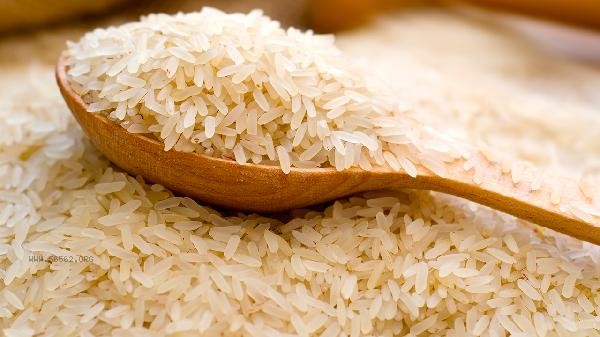
Rice should be stored in a cool and dry place for daily use, and sealed containers should be used to prevent moisture and insects. Choose small packaging when purchasing to avoid long-term hoarding. If you experience symptoms such as vomiting and diarrhea after ingesting moldy rice, seek medical attention promptly. It is recommended to prioritize fresh rice to ensure food safety and nutritional health.








Comments (0)
Leave a Comment
No comments yet
Be the first to share your thoughts!