
Whether slightly rotten fruits can be eaten depends on the degree and extent of decay. If the rotten area is small and has not spread to the inside of the flesh, it can usually be consumed after removing the rotten part; If there is a large area of decay or mold spots, it is not recommended to consume. Fruit decay may be caused by microbial contamination, mechanical damage, or improper storage. When the fruit is partially rotten, if only the skin is slightly damaged and the flesh has not changed color or flavor, it can still be safely consumed after cutting off at least 1 centimeter of the surrounding flesh. The local decay of hard fruits such as apples and pears usually spreads slowly, and after appropriate treatment, most of the edible parts can be preserved. Once mold spots appear on soft fruits such as bananas and strawberries, mycotoxins may have spread throughout the entire fruit, and there is still a risk even if visible decay is removed. When fruits rot extensively or show obvious mold spots, toxins such as penicillin produced by mold may penetrate into the seemingly intact flesh. High temperature cooking cannot completely destroy these toxins, and consuming them may cause gastrointestinal discomfort and even liver damage. Pregnant women, children, and immunocompromised individuals should avoid consuming any rotten fruits as mycotoxins pose a higher health risk to these groups.
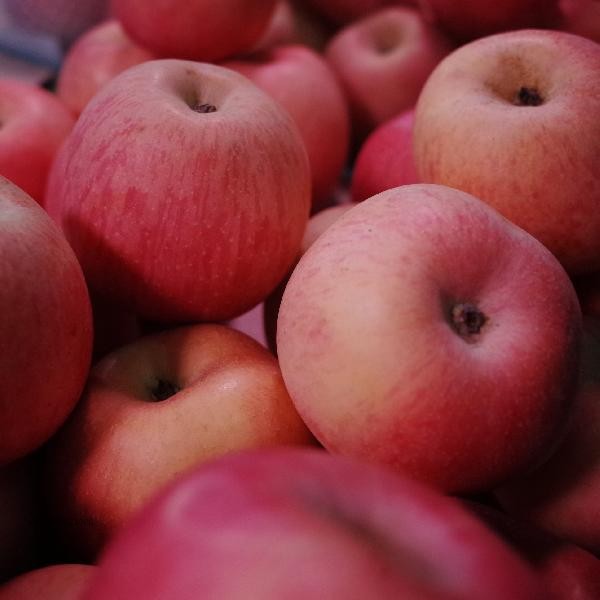
When storing fruits in daily life, avoid squeezing and colliding, and clean rotten fruits in a timely manner to prevent cross contamination. Prioritize purchasing fresh fruits of the season and consume them as soon as possible. Refrigeration can slow down the decay rate of some fruits. If the degree of decay cannot be determined or there are doubts about safety, it is recommended to discard it directly to ensure food safety. Reasonable planning of purchase quantity and packaging preservation can help reduce fruit waste.








Comments (0)
Leave a Comment
No comments yet
Be the first to share your thoughts!