
Pure milk mixed with plain water can generally be consumed without producing harmful substances, but it may affect the taste and absorption of some nutrients. The main components of milk are minerals such as water, protein, fat, and calcium, which do not change their chemical properties when diluted.
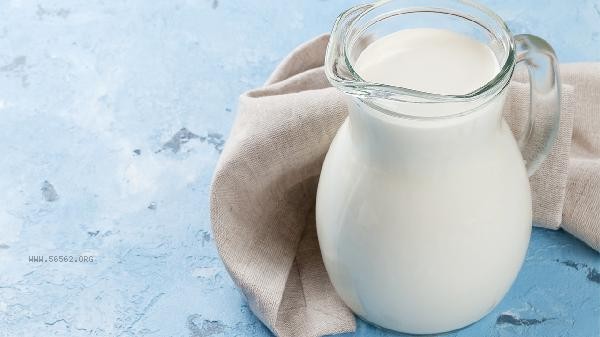
Milk mixed with water is commonly consumed in scenarios where the concentration or temperature is adjusted. For lactose intolerant individuals, diluting milk may alleviate gastrointestinal discomfort, but the intake of protein and calcium will correspondingly decrease. From a nutritional perspective, the fat in whole milk helps with the absorption of fat soluble vitamins, and excessive dilution may reduce this effect. If dilution is required due to taste preferences or special needs, it is recommended to control the amount of water added within one-third to avoid a significant decrease in nutrient density.

Some special circumstances require careful mixing. When brewing milk powder, it should be prepared according to standard proportions. Adding water by oneself may cause osmotic pressure imbalance, and drinking it may cause diarrhea in infants and young children. If postoperative liquid diet patients need to dilute milk, they should do so under the guidance of a doctor to avoid affecting energy supply. Milk allergy sufferers may still experience allergic reactions even when diluted, and they should avoid drinking it.
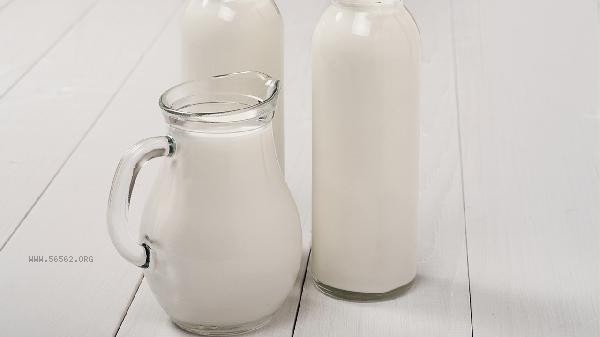
When drinking pure milk in daily life, there is no need to deliberately add water. After refrigeration, it can be consumed directly to preserve the best flavor and nutrition. If you need to adjust the concentration, you can prioritize choosing low-fat or skim milk instead of adding water. When pairing with a cereal breakfast, adding a small amount of water does not affect the overall nutritional value, but it is important to ensure that milk intake meets daily calcium requirements. People with insufficient intake of dairy products should avoid excessive dilution to ensure sufficient intake of high-quality protein and calcium.








Comments (0)
Leave a Comment
No comments yet
Be the first to share your thoughts!