
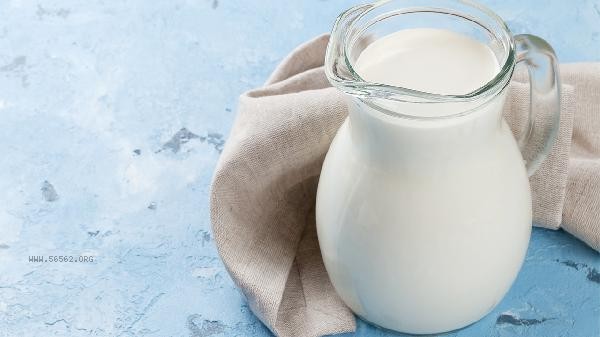
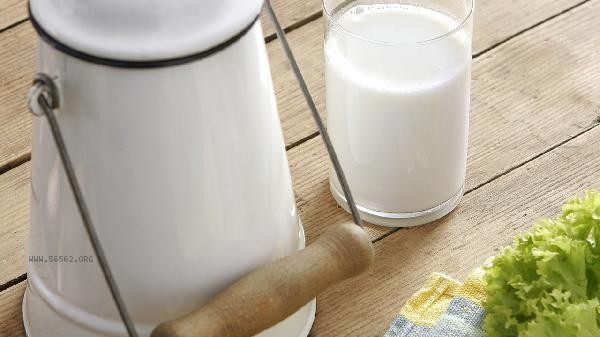
It is not recommended to drink boiled milk. Boiled milk may produce burnt substances that affect taste and nutritional value, and may even generate harmful substances. Long term heating of milk at high temperatures can cause protein denaturation, lactose caramelization, brown precipitation, and bitterness. Although slightly burnt milk does not immediately cause serious health problems, the burnt portion may contain potential carcinogens such as acrylamide, and long-term intake may increase health risks. During the cooking process, thermosensitive nutrients such as vitamin B can be destroyed, and calcium may also bind to the burnt material, affecting absorption. If the milk is only slightly sticky and has no obvious burnt taste, it can be filtered and used in small amounts for baking or cooking. But if there are obvious black burnt spots, pungent burnt taste or bitter taste, they should be discarded immediately. Infants, pregnant women, and people with weak digestive function should avoid drinking boiled milk to avoid stimulating the gastrointestinal tract or causing discomfort. It is recommended to use low heat and constantly stir when cooking milk in daily life, avoiding temperatures exceeding 80 degrees Celsius. Proper storage and heating of milk can help preserve its nutritional value. Unopened pure milk should be refrigerated and consumed within 48 hours after opening. When heating, the water blocking heating method can be used. Pour the milk into a container and slowly heat it up in hot water. Choosing pasteurized milk can reduce the need for boiling, and can be consumed directly or slightly heated to the appropriate temperature. If you need a hot drink, you can use a temperature controlled milk pot or microwave for short-term heating to avoid prolonged high-temperature treatment. Whole grains, nuts, and other foods can be paired with daily diet to help improve the absorption and utilization of calcium.









Comments (0)
Leave a Comment
No comments yet
Be the first to share your thoughts!