
During weight loss, it is generally recommended to drink milk, and moderate consumption can help supplement protein and calcium. Milk is a low calorie and high nutrient food, but it is important to choose low-fat or skimmed products and control daily intake.

Milk contains high-quality protein and calcium, which can help maintain muscle mass and promote fat metabolism. Every 100 milliliters of whole milk contains about 65 calories, low-fat milk about 50 calories, and skim milk about 35 calories. During weight loss, it is recommended to consume 200-300 milliliters per day, which can be consumed twice in the morning and evening. Choose pasteurized milk or room temperature milk to avoid flavored dairy products with added sugar. Lactose intolerant individuals can choose lactose free milk or yogurt as a substitute.

Some people should be aware that milk may affect weight loss. Drinking a large amount of whole milk before bedtime may increase additional calorie intake, and dairy allergy sufferers may experience discomfort such as bloating. Those who adopt a ketogenic diet should strictly limit dairy products, and those with thyroid dysfunction should consult a doctor to adjust their intake. Drinking milk within 30 minutes after exercising can better promote protein absorption and utilization.
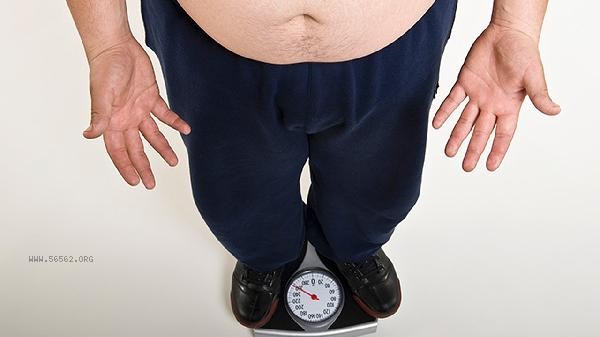
It is recommended to use milk as a breakfast or snack drink, paired with whole wheat bread or oatmeal to increase satiety. Pay attention to weight changes, and temporarily reduce dairy intake if there is weight stagnation. Maintaining a daily calorie deficit is still the core of weight loss, and milk cannot replace regular meals but can serve as a nutritional supplement.








Comments (0)
Leave a Comment
No comments yet
Be the first to share your thoughts!