
You can drink milk when drinking tea, but mixing the two may affect the absorption of some nutrients. Drinking black tea, green tea and other teas in combination with milk does not produce harmful substances, but tea polyphenols may bind with proteins in milk to reduce antioxidant activity. People who are lactose intolerant or sensitive to caffeine should pay attention to controlling their consumption. The tea polyphenols in tea have antioxidant and metabolic promoting effects, while milk is rich in high-quality protein and calcium. After mixing the two, tea polyphenols will combine with casein to form a precipitate, which may weaken the health benefits of tea, but will not affect calcium absorption. When drinking in daily life, you can choose to have an interval of more than 30 minutes, such as drinking milk for breakfast or drinking tea in the afternoon, which can balance nutrition and avoid interactions. The common practice of milk tea in the UK is to mix black tea directly with milk, which mainly affects the flavor level of the tea rather than its safety.

In special circumstances, caution should be exercised when pairing. For example, patients with iron deficiency anemia should avoid drinking tea immediately after meals, as tea polyphenols can inhibit the absorption of non heme iron. Drinking tea with milk at this time may exacerbate the problem of decreased iron utilization. People with gastrointestinal sensitivity who drink strong tea and milk on an empty stomach may experience discomfort. It is recommended to consume a small amount of staple food first to buffer the stimulation. The traditional Tibetan butter tea is brewed for a long time to fully blend with milk fat, which is a special dietary method adapted to high-altitude environments, and the general population does not need to deliberately imitate it.
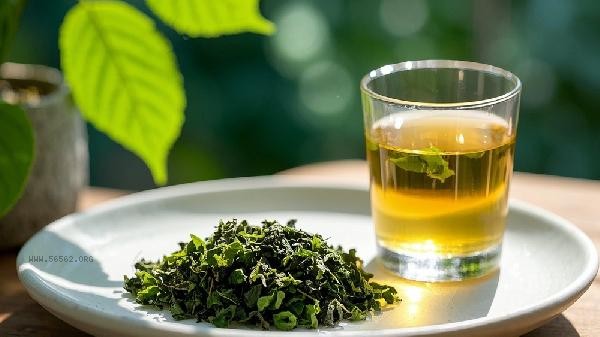
It is recommended to adjust the combination of daily tea drinking according to one's physical condition. Healthy individuals who occasionally drink milk tea do not need to worry excessively about nutrient loss. Prioritize choosing fermented black tea, ripe Pu erh tea, etc. to pair with milk to reduce stomach irritation. Control the total daily intake to avoid discomfort caused by excessive intake of caffeine or lactose. Special populations such as pregnant women and chronic disease patients can consult nutritionists to develop personalized dietary plans, ensuring that the intake of tea and dairy products meets both taste requirements and health management goals.








Comments (0)
Leave a Comment
No comments yet
Be the first to share your thoughts!