
Half rotten fruits are usually not recommended for consumption. Fruit decay may be caused by microbial contamination, oxidative deterioration, mechanical damage, low-temperature frostbite, excessive ethylene ripening, and other factors. When fruits partially rot, mycotoxins may have spread to seemingly intact parts. Even if the rotten parts are removed, there are still safety hazards in the remaining fruit pulp. Common pathogenic bacteria such as penicillin can damage the gastrointestinal mucosa and cause abdominal pain and diarrhea. The high-temperature resistant substances such as aflatoxins produced by moldy fruits cannot be completely removed by ordinary cleaning and cooking. Partial browning caused by collision damage or frostbite, if mold does not grow and is treated in a timely manner, has a relatively low risk. But skin damage can accelerate oxidation and microbial growth, it is recommended to consume it within two hours. If fruits with excessive ethylene ripening only have black nuclei, they can be consumed with caution after removing the spoiled parts, but it is necessary to observe for any odor or abnormal texture.
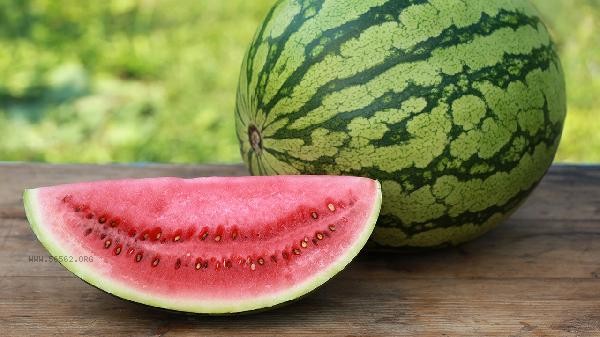
Daily fruit selection should avoid skin damage or overripe products, and refrigeration storage can delay spoilage. It is recommended to prioritize consuming fruits with minor bumps, and thoroughly remove the damaged area and 1 centimeter of surrounding flesh. If you experience discomfort such as nausea and vomiting after consumption, seek medical attention immediately. Special populations such as pregnant women, infants, and those with low immunity should avoid consuming any spoiled fruits and choose fresh and intact fruits, which are more conducive to nutrient intake and health protection.








Comments (0)
Leave a Comment
No comments yet
Be the first to share your thoughts!