
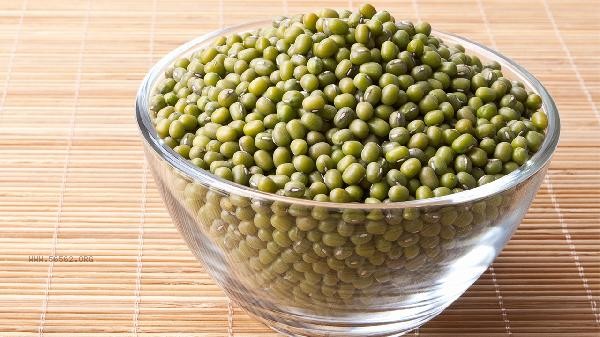
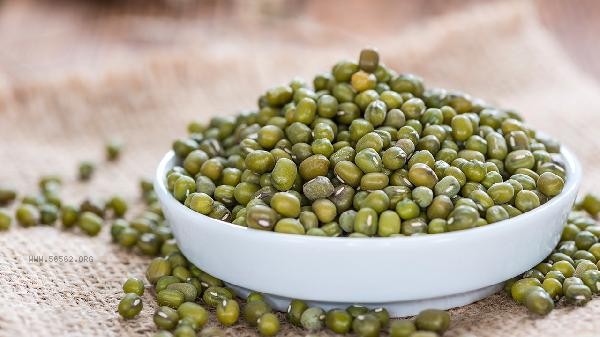
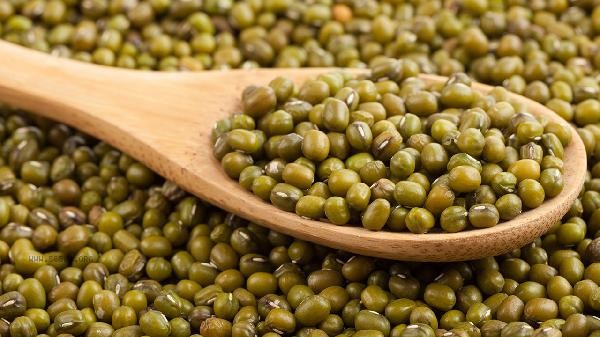
Green beans with small black worms are generally not recommended for continued consumption. Small black worms may be larvae or adults of storage pests such as mung bean weevils, and their secretions and excreta may contaminate mung beans, posing a food safety hazard. Green beans that are damp or stored for too long during storage can easily breed small black worms. These insects can feed on the inside of beans, causing nutrient loss, and may also carry mold or bacteria. If only a few beans have a small amount of insect bodies attached to their surface, they can be thoroughly selected and boiled at high temperature for consumption, but the taste and nutritional value have significantly decreased. If mung beans are severely damaged by insects or show mold or clumping, they must be discarded for disposal. Insect infestation of mung beans may cause gastrointestinal discomfort, and the aflatoxin produced by moldy mung beans is more likely to harm liver health. Especially for people with weaker immune systems such as the elderly, children, and pregnant women, they should avoid consuming any suspicious mung bean products. Green beans should be sealed and stored in a cool and dry place for daily storage. Natural insect repellent materials such as Sichuan peppercorns and dried chili peppers can be added. When purchasing, choose products that are vacuum packed and within their shelf life. After opening, it is recommended to pack them separately and store them frozen. If insect infestation is found, promptly check whether other cereal ingredients in the home are contaminated and take measures to prevent insects and moisture.








Comments (0)
Leave a Comment
No comments yet
Be the first to share your thoughts!