
Green beans can generally be consumed after being cooked with worms, but it depends on the specific situation. If the insect infestation is mild and the mung beans are not moldy, cooking at high temperatures usually does not affect food safety; If the insect infestation is severe or accompanied by mold, it is not recommended to continue consuming. Green bean infestation may be related to factors such as humid storage environment and prolonged storage time. Green beans may become infested with insects during storage due to high environmental humidity or inadequate sealing, commonly known as mung bean weevil larvae. These insects themselves are non-toxic, and high-temperature cooking can effectively kill their eggs and larvae. After thorough washing and boiling, the protein and other nutritional components of mung beans with slight insect infestation were not significantly damaged and can still be safely consumed. Before cooking, carefully pick out black and moldy particles and rinse them repeatedly with running water until there are no insect residues. It is recommended to extend the boiling time to more than 20 minutes to ensure food safety. If mung beans show large areas of insect infestation, clumping, or mold growth, it indicates that they have been severely contaminated by organisms. Moldy mung beans may produce harmful substances such as aflatoxin, which cannot be completely decomposed by ordinary cooking. At the same time, the nutritional value of mung beans with severe insect infestation has significantly decreased, resulting in a rough and unpleasant taste. Even high-temperature treatment poses health risks in such situations, especially for people with weaker digestive function who may experience abdominal pain or allergic reactions. It is recommended to store mung beans in a sealed container and place them in a cool and dry place. Natural insect repellents such as Sichuan pepper and garlic can be used to prevent insect infestation.
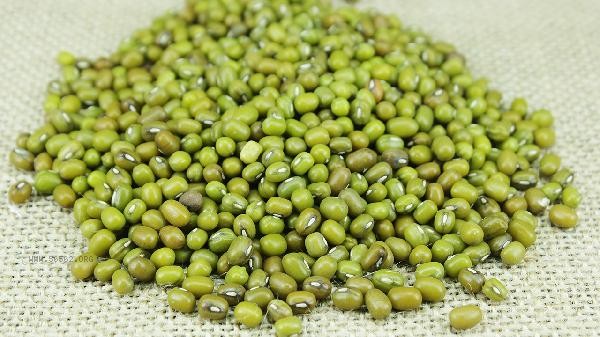
Green beans can be frozen for 48 hours to kill potential insect eggs during daily storage, and using a vacuum sealed container can effectively extend the shelf life. Before consumption, pay attention to the color and odor of the beans. If the green beans become moldy, they should be discarded as a whole batch. Reasonably control the single purchase quantity and prioritize selecting new beans in the current year to reduce the probability of insect infestation. If you experience symptoms such as nausea and diarrhea after ingesting moldy mung beans, you should seek medical attention and examination in a timely manner.








Comments (0)
Leave a Comment
No comments yet
Be the first to share your thoughts!