
In March, grass carp can generally eat, but the specific feeding situation is closely related to factors such as water temperature and quality. When the water temperature rises above 10 degrees Celsius in early spring, grass carp begin to slowly resume feeding, mainly influenced by changes in water temperature, dissolved oxygen levels, feed palatability, fish health status, and water environment stability.
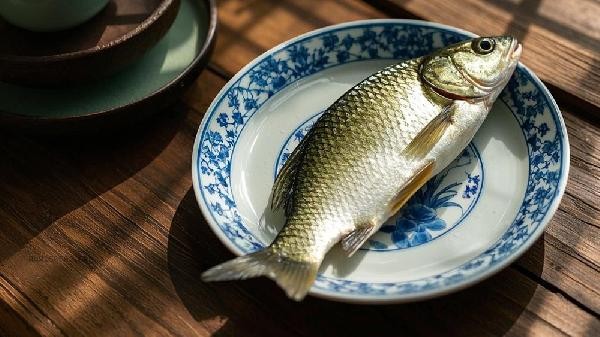
Water temperature is a key factor affecting the feeding of grass carp. When the water temperature drops below 5 degrees Celsius, grass carp basically stop eating and enter a overwintering state. In spring, the water temperature rises to the range of 8-12 degrees Celsius, and the digestive enzyme activity of grass carp gradually recovers. A small amount of easily digestible green feed or compound feed can be fed. At this time, feeding should be done during the sunny and hot midday period to avoid wasting feed due to low temperatures.
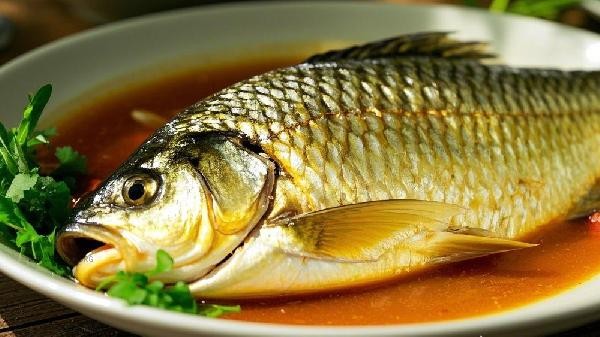
Sudden changes in water quality can suppress the appetite of grass carp. The temperature fluctuates greatly in early spring, and the organic matter accumulated in the pond sediment during winter can easily cause excessive levels of ammonia nitrogen and nitrite, leading to stress-induced anorexia in fish. Regular testing of water quality indicators is required to maintain dissolved oxygen levels above 4 milligrams per liter and pH values between 7-8. Newly released fish fry should also gradually adapt to the water environment, as sudden transfer to the pond may cause refusal to eat.
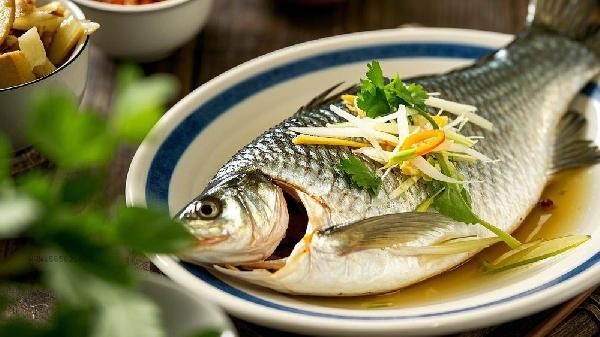
It is recommended to use a small and multiple feeding method, with the initial daily feeding amount controlled at 0.5% -1% of the fish's body weight, and priority given to choosing floating feed for easy observation of feeding conditions. The combination of probiotic preparations can improve intestinal digestion function. Before feeding, the feed can be soaked in allicin solution to enhance the feeding effect. Pay attention to removing residual bait to prevent deterioration of water quality, regularly use sediment amendments to maintain the ecological balance of the pond, and create good spring opening conditions for grass carp.








Comments (0)
Leave a Comment
No comments yet
Be the first to share your thoughts!