
Fruits washed with raw water are generally edible, but there are certain health risks involved. Raw water may contain bacteria, parasite eggs, or chemical pollutants, and washing fruits directly may lead to contamination.

Raw water may contain pathogenic microorganisms such as Escherichia coli and Salmonella, which may enter the human body through residual water on the surface of fruits. Although tap water has been disinfected, the aging of the pipeline network in some areas may lead to secondary pollution. Using raw water or untreated well or river water to clean fruits carries a higher risk, as these water sources may contain parasites such as Cryptosporidium and Giardia. The uneven structure on the surface of fruits is prone to hiding microorganisms, which cannot be completely removed by simply rinsing.
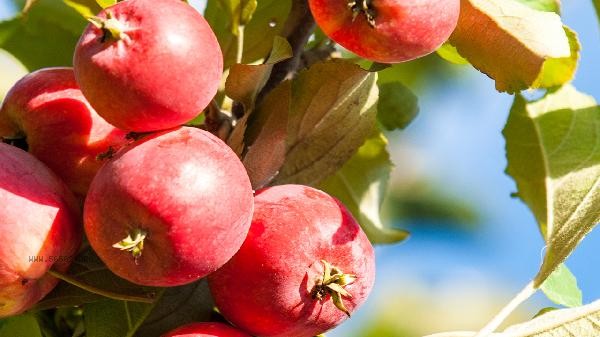
Raw water in some areas may contain heavy metals, pesticide residues, or industrial pollutants, and long-term ingestion may have an impact on health. Special groups such as immunocompromised individuals, pregnant women, and children need to pay more attention as they have a higher probability of contracting pathogens. Fruits may come into contact with pollutants during transportation and storage, and rinsing with raw water cannot effectively remove fat soluble pesticides or some chemical substances.

Prioritize using cold water or filtered water to clean fruits, and can be paired with specialized fruit and vegetable cleaning agents. For high-risk groups, it is recommended to peel and consume fruits that are not easy to peel, such as strawberries, which can be soaked in salt water or baking soda water. Fruits washed with raw water should be consumed as soon as possible to avoid long-term storage and bacterial growth. If symptoms such as diarrhea and abdominal pain occur, seek medical attention promptly and inform the doctor of a possible history of contact with raw water.








Comments (0)
Leave a Comment
No comments yet
Be the first to share your thoughts!