
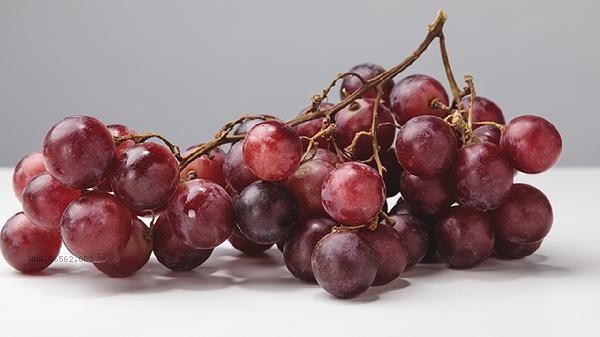
Saltwater can be used to clean fruits, but not all fruits are suitable. Saltwater can help remove some pesticide residues and surface dirt, but it may affect the taste or nutrition of fruits with fragile or easily permeable skin. The principle of soaking fruits in salt water is to use osmotic pressure difference to promote the precipitation of surface impurities, especially for fruits with wax layer on the skin such as grapes and strawberries, which have better effects. High concentration salt water may damage the cell structure of fruits, leading to the loss of water-soluble nutrients such as vitamin C. This phenomenon is more likely to occur in peeled fruits such as apples and pears. Experiments have shown that soaking in 5% saline solution for 10 minutes can remove some fat soluble pesticides, but organic phosphorus pesticides need to be effectively removed by rinsing with running water. Citrus fruits may taste bitter when exposed to salt water, while porous fruits such as waxberries and mulberries may become salty due to water absorption. Soaking fruits with stems such as blueberries and cherries may lead to reverse osmosis of pesticide residues. It is recommended to use baking soda water for short-term treatment. Some imported fruits may use edible wax on the surface, and salt water cannot dissolve such coatings. Excessive scrubbing can damage the protective layer of the fruit peel.

It is recommended to prioritize using running water to scrub fruits for 30 seconds during daily cleaning. For stubborn stains, a soft bristled brush can be used as an aid. Fruits with hard skin can be soaked in salt water for a short period of time and thoroughly rinsed. Berries should be soaked in light salt water for no more than 3 minutes. Avoid using overheated salt water or soaking for a long time, and consume as soon as possible after cleaning to reduce nutrient loss. Special populations such as kidney disease patients should control their salt intake and choose fruit and vegetable specific cleaning agents as alternatives.








Comments (0)
Leave a Comment
No comments yet
Be the first to share your thoughts!