
Fruit lilies can be eaten directly, but it is necessary to ensure that the variety is edible and processed thoroughly. Fruit lily is the bulb of plants in the lily family, and some varieties can be consumed as vegetables or medicinal herbs. Common edible varieties include Lanzhou lily, Longya lily, etc. When eaten raw, the outer layer of the skin should be peeled off and soaked in water to remove surface impurities. The taste is sweet and slightly bitter, suitable for cold mixing or juicing. Non edible varieties or untreated lilies may contain toxic substances such as colchicine, which can cause toxic reactions such as nausea and vomiting if ingested by mistake.
Edible fruit lilies are usually artificially cultivated and screened, with thick and non bitter bulbs and extremely low colchicine content. Before eating raw, it is recommended to peel off the scales layer by layer and soak them in cold water for at least half an hour to reduce alkaloid residue. Lanzhou lily raw food is crispy and tender with a sweet taste, suitable for pairing with honey or yogurt; The meat of Longya Lily is relatively hard, it is recommended to blanch it and mix it cold. Some people may be allergic to the mucin protein in lilies, so it is recommended to try small amounts when consuming them for the first time. Fresh lilies sold on the market may have residual soil and pesticide residues, and it is necessary to repeatedly rinse the gaps between the scales with running water.

Wild lilies or ornamental varieties such as lily bulbs and musk lilies should not be consumed directly. Their bulbs contain high levels of colchicine, which is difficult to completely decompose even when cooked at high temperatures. Within two hours after ingestion, symptoms such as numbness in the mouth and diarrhea may occur. It is necessary to immediately induce vomiting and seek medical attention. Lily harvested by oneself must confirm the safety of the variety, and those with green bulbs or black spots are prohibited from consumption. Traditional medicinal lilies need to be processed by honey roasting or steaming to reduce toxicity, and it is not recommended to eat them raw directly. Children and those with weak digestive function should choose to eat it cooked to avoid stimulating the gastrointestinal mucosa.
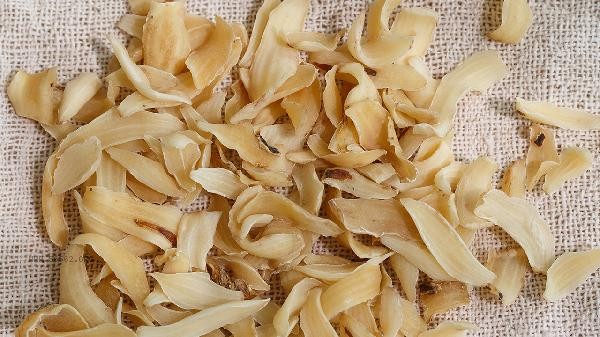
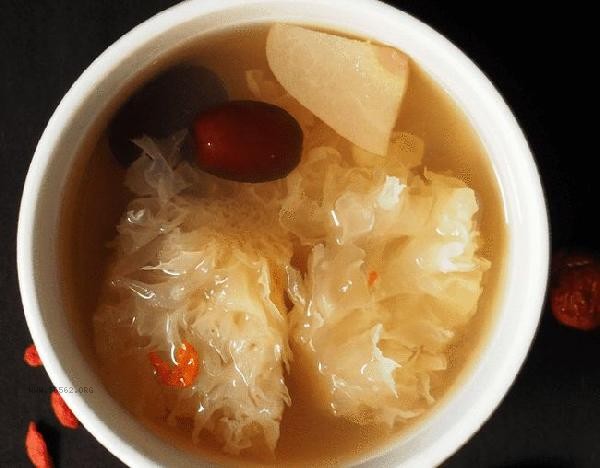
For daily consumption, it is recommended to choose edible lilies purchased through regular channels, and remove the roots and stems to reduce bitterness during processing. Fresh lilies can be refrigerated for up to a week, as freezing can cause a decrease in taste. Braised with snow pear and tremella can moisten the lungs and stop coughing, and fried with celery can reduce the greasy feeling. Although lilies are nutritious, they are slightly cold in nature. People with spleen and stomach deficiency should not consume them excessively. It is recommended to consume no more than 100 grams of fresh food per day. If discomfort such as tongue numbness or rash occurs, stop eating. People with allergies should consult a doctor.








Comments (0)
Leave a Comment
No comments yet
Be the first to share your thoughts!