
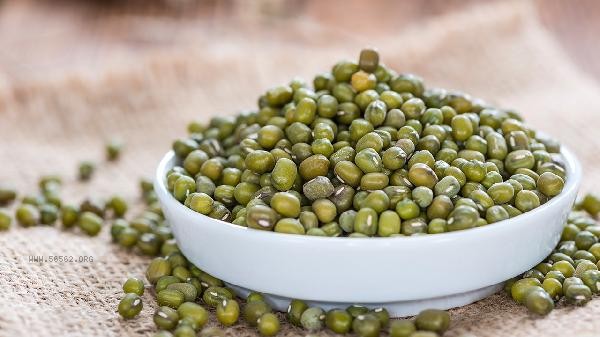
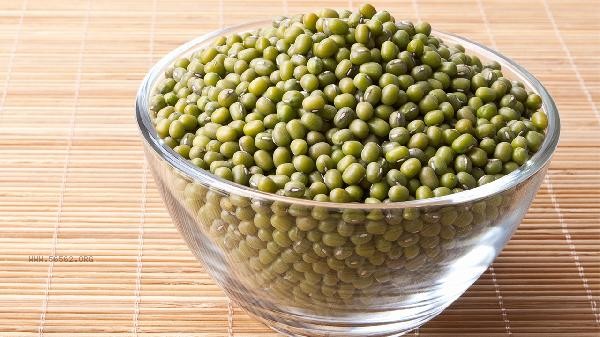
Frozen mung beans are usually difficult to germinate into bean sprouts. Low temperature can damage the structure of mung bean cells and affect their activity, but if the freezing time is short and the thawing method is appropriate, germination may still occur in some cases. Green bean germination requires complete germ and suitable water and temperature conditions. Fresh mung beans have high embryo activity and can quickly absorb water and initiate metabolic activity after soaking. During the freezing process, ice crystals may damage the cell membrane structure, causing the embryo to lose its ability to absorb water. If the freezing temperature is too low or the time is too long, protein denaturation will completely inactivate the embryo. Experiments have shown that some embryos of briefly frozen mung beans may retain weak activity after thawing, but the germination rate is significantly reduced, and the bean sprouts grow slowly and are prone to decay. In special circumstances, using gradient thawing method may increase the germination probability. Place frozen mung beans in the refrigerator to slowly warm up, and then soak them intermittently in warm water to reduce the secondary damage to cells caused by sudden temperature changes. This method is only suitable for short-term freezing and well preserved mung beans. After germination, it is still necessary to closely observe whether there is mold or odor. Fresh mung beans are used in the production of commercially available bean sprouts, as their germination rate is stable and can reach over 90%. If you want to try using frozen mung beans to make bean sprouts, it is recommended to choose mung beans that have been sealed and stored for no more than a week. After thawing, remove floating or discolored beans. During the germination process, change the water daily and maintain an ambient temperature of around 25 ℃. If there is a sticky feeling or black spots, they should be discarded immediately. For daily consumption of bean sprouts, it is still recommended to purchase fresh products or use unfrozen mung beans for self cultivation to ensure food safety and nutritional quality. Green beans are rich in vitamin C and dietary fiber, and correctly cultivated bean sprouts have a crispy and tender taste that is easier to digest and absorb.









Comments (0)
Leave a Comment
No comments yet
Be the first to share your thoughts!