
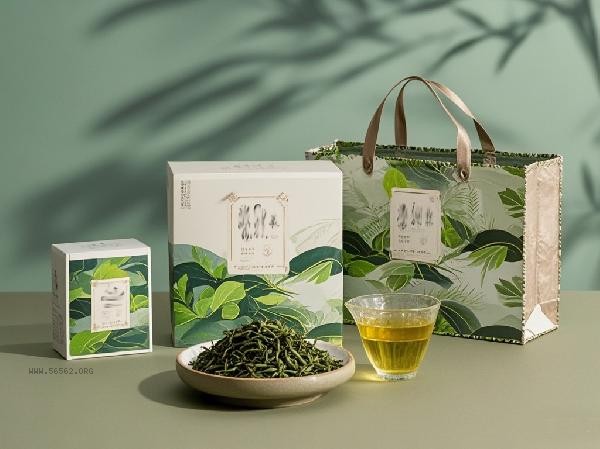
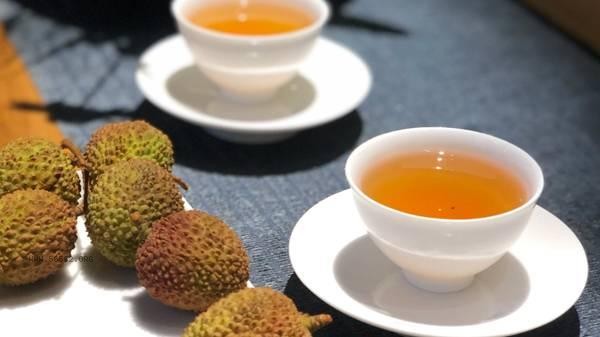
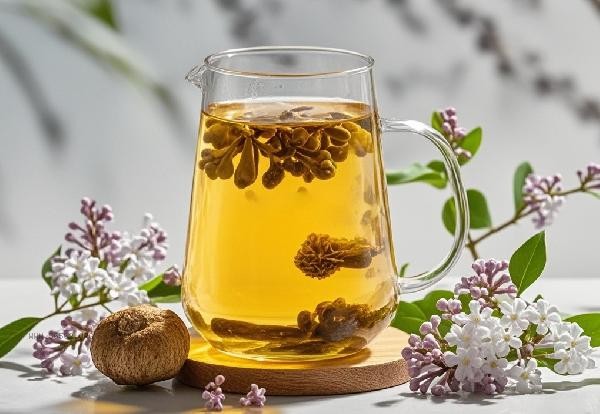
Fresh tea is generally not recommended to be brewed and consumed directly, as it may cause gastrointestinal discomfort or affect the taste of the tea soup. Fresh tea contains a lot of unoxidized active substances, and direct brewing may cause the tea soup to be bitter, with a strong grassy taste, and may stimulate the gastrointestinal mucosa. Fresh tea leaves, after being harvested, are not subjected to processes such as withering, rolling, or fermentation, resulting in a high content of polyphenolic substances in the leaves, especially tea polyphenols and caffeine, which have strong activity. These substances quickly precipitate during high-temperature brewing, making the tea soup too strong and bitter in taste. Some people may experience stomach discomfort, palpitations, and other reactions after drinking. The traditional tea making process destroys oxidase activity through high-temperature withering, and then rolls and twists to promote cell wall rupture, resulting in moderate oxidation of tea leaves in the subsequent process, thus forming a rich flavor and reducing irritability. Some special types of tea, such as Bai Hao Yin Zhen in white tea, retain more fresh leaf characteristics, but these types of tea still need to undergo withering and drying processes. If you want to try brewing fresh leaves, it is recommended to choose the tender bud part and control the water temperature below 80 degrees Celsius. The soaking time should not exceed 1 minute. It is still recommended to choose finished tea leaves that have been processed through formal techniques for daily tea drinking, which can ensure a mellow flavor and avoid health risks. People with weak gastrointestinal function, pregnant women, and children should pay special attention to avoiding drinking tea soup directly brewed with fresh tea leaves.








Comments (0)
Leave a Comment
No comments yet
Be the first to share your thoughts!