
Fresh milk is not recommended to be consumed after being stored at 25 degrees Celsius for one day. Fresh milk is prone to bacterial growth, and high-temperature environments can accelerate spoilage. Fresh milk is rich in nutrients such as protein and calcium, but it is also an ideal culture medium for microorganisms. 25 degrees Celsius belongs to a normal temperature environment, where bacteria reproduce rapidly. Fresh milk, when opened and exposed to air, can mix with microorganisms in the environment. Placed in a 25 degree environment for a day, the bacterial count may exceed the safety standard, which may cause gastrointestinal discomfort after consumption.
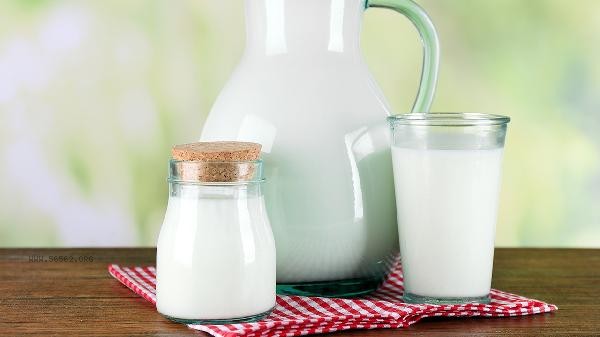
Some milk that has undergone ultra-high temperature sterilization treatment may not significantly spoil in a short period of time in an unopened state. But once opened, even if there is no significant change in appearance and odor, bacteria may have already multiplied in large numbers. For people with lower immunity, such as children, the elderly, or pregnant women, the risk of drinking spoiled milk is higher, which may lead to diarrhea or food poisoning.

It is recommended to refrigerate fresh milk immediately after opening and consume it within the shelf life indicated on the packaging. If milk is found to have an odor, clumping, or color change, it should be discarded immediately. You can choose small packaging fresh milk for daily use to avoid storing it for too long after opening. People with lactose intolerance can choose low-temperature yogurt or plant-based milk as alternatives, which not only ensures nutrient intake but also reduces the risk of spoilage.








Comments (0)
Leave a Comment
No comments yet
Be the first to share your thoughts!