
Whether food can still be eaten after being damp depends on the specific situation. If the food is only slightly damp and there are no abnormal conditions such as mold or odor, it can usually be consumed; If there are obvious mold spots, texture changes, or a sour odor after being damp, it is not recommended to continue consuming. Whether food can be consumed after being damp is closely related to the type of food, the degree of dampness, and the storage environment. Dry foods such as biscuits and nuts may have a worse taste when they become damp, but if there is no mold, they can still be heated and consumed; Grains, flour, and other starchy foods are prone to mold growth and harmful substances such as aflatoxins when exposed to moisture. Even if heated at high temperatures, they are difficult to decompose and must be discarded; Dried food ingredients such as shiitake mushrooms and seaweed, if left damp and dried in a timely manner, usually do not affect their safety for consumption. Some special foods are extremely sensitive to humidity. Nutrients such as milk powder and protein powder are prone to clumping and spoilage when exposed to moisture, which may cause gastrointestinal discomfort; After tea leaves become damp, not only is the flavor damaged, but the risk of mold growth also significantly increases; Chocolate may have frosting or white spots due to moisture, which does not affect safety, but its quality has declined. Pre processed food with sealed packaging should be carefully evaluated if the packaging is damaged and causes moisture, even if it has not expired.
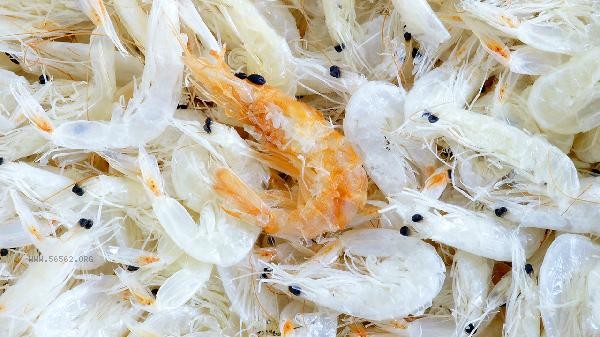
When storing food in daily life, sealed containers should be used to isolate moisture, placed in a cool and dry place, and consumed as soon as possible after opening. After discovering that food has been dampened, it is necessary to carefully inspect its appearance and odor. High protein and high starch foods have a higher risk of mold growth, and it is recommended to handle them directly. If symptoms such as abdominal pain and diarrhea occur after consuming damp food, seek medical attention promptly. Reasonable planning of procurement quantity, adoption of vacuum packaging, and regular inspection of inventory are effective measures to prevent food from getting damp.








Comments (0)
Leave a Comment
No comments yet
Be the first to share your thoughts!