
Edible alkali cannot completely replace baking soda, as there are significant differences in chemical composition and usage between the two. The main component of edible alkali is sodium carbonate, while baking soda is sodium bicarbonate. The main differences include differences in solubility, acidity, swelling effect, limitations on cleaning purposes, and impact on food taste.
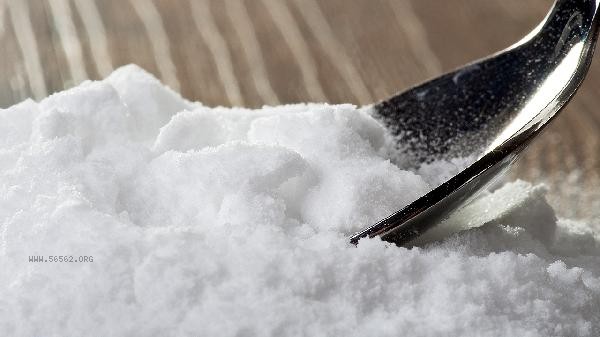
Sodium carbonate has strong alkalinity and is suitable for neutralizing the acidity of dough or making traditional noodles, but when directly used for baking, it may cause the finished product to become bitter due to the rapid reaction. The characteristic of baking soda breaking down into carbon dioxide when heated makes it more suitable for foods that require a fluffy effect, such as cakes and cookies, and has a milder effect on pH regulation. In some recipes that require rapid gas production, edible alkali cannot achieve the immediate expansion effect of baking soda. In the field of cleaning, edible alkali can replace baking soda to treat heavy oil stains, but it may corrode the surface when cleaning metal utensils. Specific traditional foods such as alkaline rice dumplings require the use of edible alkali, and baking soda cannot restore the flavor. It should be noted that exchanging the two may change the final pH value of the food, affecting vitamin retention and mineral absorption.
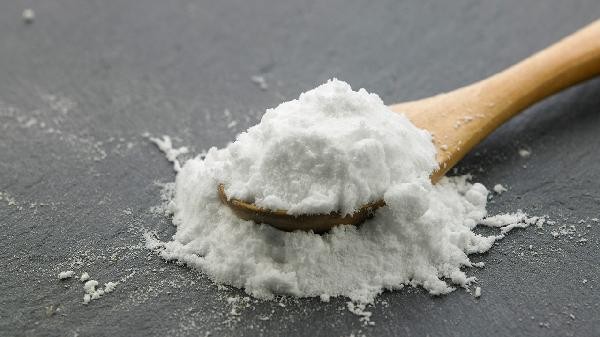
When using it in daily life, it is recommended to choose according to specific needs. Baking should prioritize the use of baking soda, while traditional pasta can use edible alkali. Special recipes need to be strictly proportioned to avoid excessive intake of sodium due to mixed use. When storing, it is necessary to seal and prevent moisture, as both will reduce their effectiveness when exposed to moisture. People with chronic kidney disease or hypertension should control their total alkali intake and consult a nutritionist to adjust their diet if necessary.








Comments (0)
Leave a Comment
No comments yet
Be the first to share your thoughts!