
Whether edamame can be consumed after being stored for too long depends on its specific storage status. Peas that have not developed mold, odor, or texture changes are usually edible after sufficient heating. Peas that have shown obvious signs of spoilage are not recommended for consumption.
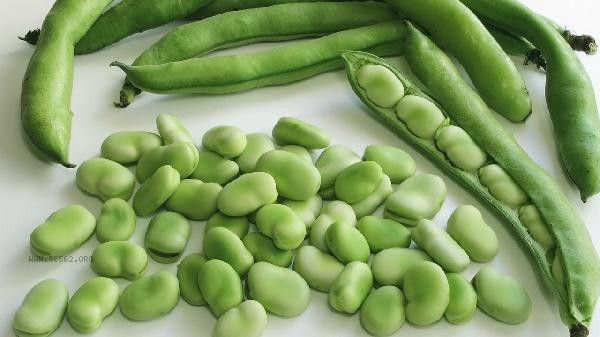
Fresh edamame can be stored for several days under refrigeration conditions, while the pods remain green and free of mucus secretion. After peeling, the beans are full and without black spots. This type of edamame can effectively kill surface microorganisms by boiling water for more than ten minutes. Although its protein and vitamin content have decreased, it still has edible value. Attention should be paid to the fact that edamame that has been refrigerated for more than a week will noticeably harden in taste. It is recommended to extend the braising time during cooking. If the pods of edamame turn yellow and soft, white mycelium grows on the surface, or emit a sour odor, it indicates that microbial contamination or fat oxidation has occurred. Even if cooked at high temperatures, it is difficult to decompose harmful substances such as aflatoxins, which may cause gastrointestinal discomfort and even food poisoning after consumption. Especially for vacuum packaged edamame, if there is swelling in the bag, it must be discarded immediately.
For daily storage of edamame, it is recommended to drain the water and put it in a breathable fresh-keeping bag for refrigeration. Storing it with a shell is more durable than peeling it off. Before cooking, carefully check for signs of spoilage, and frozen edamame should be consumed within three months. If discomfort symptoms such as abdominal pain and diarrhea occur, seek medical attention promptly. Children and those with weak digestive function should choose freshly cooked and eaten edamame.








Comments (0)
Leave a Comment
No comments yet
Be the first to share your thoughts!