
Eating pineapple in moderation at night can help with weight control, but it cannot directly have a weight loss effect. Pineapple is rich in ingredients such as bromelain, dietary fiber, and vitamin C. It has low calories and a certain digestive promoting effect, and can be used as a low calorie snack to replace high sugar snacks. Pineapple contains bromelain that can help break down protein, dietary fiber can enhance satiety and promote gastrointestinal peristalsis, and vitamin C helps with metabolism. Choosing fresh pineapple to consume 100-200 grams can replace high calorie snacks such as cakes and cookies, reducing daily total calorie intake. When consuming, avoid pairing with high sugar seasonings and avoid eating on an empty stomach to prevent irritation of the gastrointestinal mucosa.
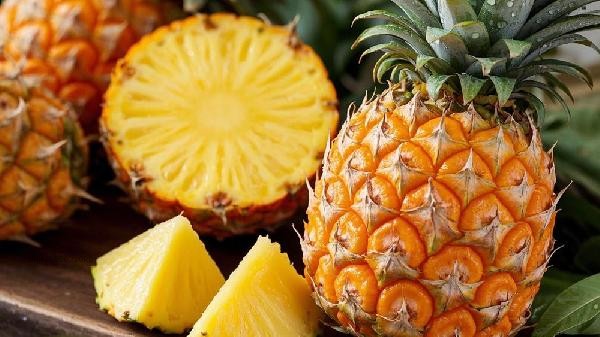
Relying solely on eating pineapple at night cannot achieve weight loss goals, and it is necessary to combine a balanced diet and exercise throughout the day. Long term excessive consumption may cause dental caries or stomach discomfort due to high sugar and acidic substances, and diabetes patients need to control their intake. Frozen pineapple chunks can be used as a low calorie snack option, but juicing can damage dietary fiber and increase glycemic index.

It is recommended to consume no more than 300 grams of pineapple per day, preferably between meals. Weight loss requires adjusting the overall diet structure and increasing aerobic exercise. If necessary, consult a nutritionist to develop a personalized plan. Avoid lying flat within one hour after eating at night to prevent acid reflux from affecting sleep quality and digestive function.








Comments (0)
Leave a Comment
No comments yet
Be the first to share your thoughts!