
Dumplings that have not thawed can generally be steamed directly, but the steaming time needs to be appropriately extended. Steaming frozen dumplings directly may cause the outer skin to be too soft or the filling to be unevenly heated. It is recommended to adjust the heat and time. When frozen dumplings are steamed directly, the water slowly changes from solid to steam, the skin gradually softens at high temperatures, and the starch particles absorb water and expand again. After the water in the steamer boils, put in the dumplings and keep the steam on medium heat to prevent condensation from dripping and causing the skin to break. Thicker dumpling wrappers or meat fillings require an increase in steaming time, while vegetarian or thin skinned dumplings can be shortened appropriately. During the steaming process, slight shaking of the steamer can help to evenly heat and avoid adhesion. Some special fillings, such as dumplings containing a large amount of vegetables, may be steamed directly, which may cause the vegetables to water out and affect the taste. When dumplings with ice crystals come into direct contact with high-temperature steam, the outer layer may crack due to rapid heating. Dumplings that are not fully sealed before freezing are prone to absorbing steam and moisture, becoming soft and collapsed. Due to process differences, some products of industrial frozen dumplings may have added modifiers to their outer skin, resulting in different steaming effects compared to homemade ones.
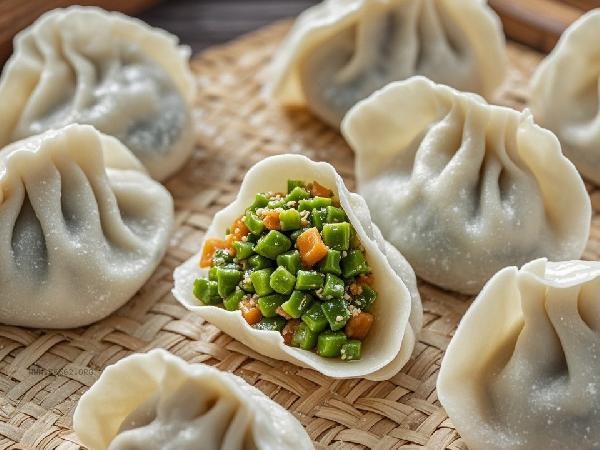
When steaming frozen dumplings, it is recommended to use a bamboo steamer or a steaming cloth to prevent damage to the bottom. Before steaming, gently tap the surface of the dumplings to remove excess frost, and avoid opening the lid frequently during steaming. Paired with dipping sauces such as vinegar and chili oil can enhance flavor and promote digestion. If you pursue a better taste, you can refrigerate and thaw the dumplings before steaming, but be careful to cook them as soon as possible after thawing to prevent spoilage. Pay attention to controlling the single consumption amount in daily diet, and balance nutrient intake with cold vegetables or soups.









Comments (0)
Leave a Comment
No comments yet
Be the first to share your thoughts!