
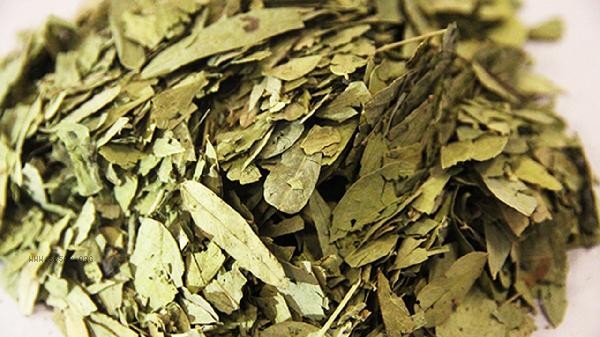
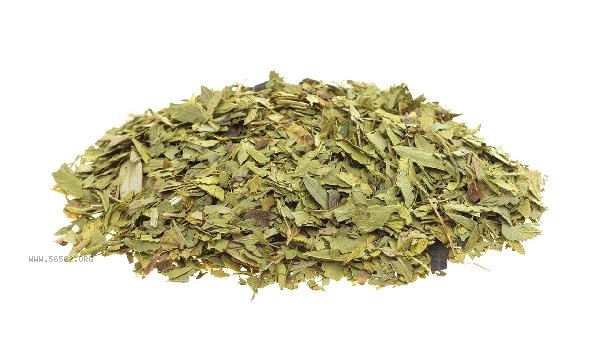
Drinking senna leaves cannot be used as a scientific weight loss method, and long-term use may be harmful to health. Senna leaves have a laxative effect and are mainly used to relieve constipation in the short term. Their weight loss effect is dehydration rather than fat loss. Overuse can lead to electrolyte imbalance, intestinal function damage, and other problems. The anthraquinone glycosides in senna leaves promote bowel movements by stimulating the intestinal wall, which may cause weight loss in the short term, but the main reduction is in water and intestinal contents, rather than fat consumption. Overuse of senna leaves can lead to colonic melanosis, characterized by pigment deposition in the intestinal mucosa, and may also cause adverse reactions such as abdominal pain and diarrhea. Continuous diarrhea may also cause loss of electrolytes such as potassium and sodium, and in severe cases, induce arrhythmia. Some people may develop dependence on it and experience severe constipation after discontinuation.
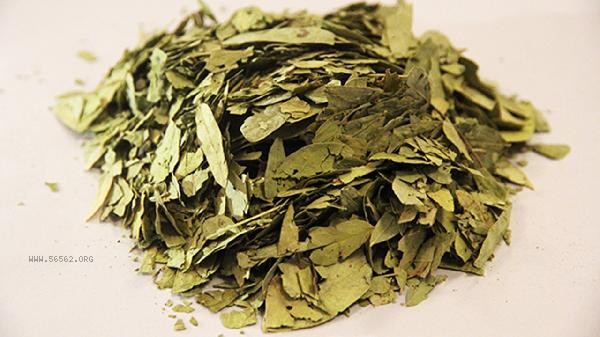
Some patients may be sensitive to senna leaves due to their special constitution, and small doses can cause severe diarrhea, which needs to be stopped immediately. People with previous intestinal inflammation, hemorrhoid bleeding, or pregnant women should avoid using it, otherwise it may worsen the condition or cause uterine contractions. Scientific weight loss should be achieved through reasonable control of dietary calories and increased exercise. It is recommended for adults to reduce their daily calorie intake by 500 calories, and the weekly weight loss should not exceed 1 kilogram. Short term weight loss may trigger rebound effects, it is recommended to consult a nutritionist to develop personalized plans. When stubborn constipation occurs, osmotic laxatives such as lactulose oral solution can be used to avoid long-term dependence on stimulant laxatives.








Comments (0)
Leave a Comment
No comments yet
Be the first to share your thoughts!