
Drinking saltwater cannot achieve effective weight loss. Although moderate consumption of salt water can supplement electrolytes, drinking salt water alone cannot reduce fat accumulation in the body. Losing weight requires scientific control of dietary calories and coordination with exercise. Overreliance on salt water may lead to excessive sodium intake. Drinking physiological saline or low concentration saline does indeed have a short-term mild diuretic effect, which can temporarily reduce the body's water content and create the illusion of weight loss. But this water loss will quickly be replenished through normal drinking water and cannot truly consume adipose tissue. Drinking salt water before meals may cause temporary satiety and reduce food intake for some people, but this effect is very limited and not long-lasting. Long term overuse may even irritate the gastric mucosa. Excessive sodium intake will also cause water and sodium retention, high blood pressure and other problems, especially for patients with cardiovascular diseases. The popular saltwater intestinal cleansing method lacks scientific basis. Intestinal cleansing mainly occurs in the colon, and drinking saltwater will be absorbed in the stomach. If blindly increasing the concentration of salt water or drinking more in pursuit of weight loss results, it is more likely to cause adverse reactions such as nausea, vomiting, and electrolyte imbalance. Some of the common hypokalemia patients caused by improper weight loss in clinical practice are due to long-term excessive consumption of saline water. For obese individuals, adjusting their dietary structure is more important than changing their drinks.
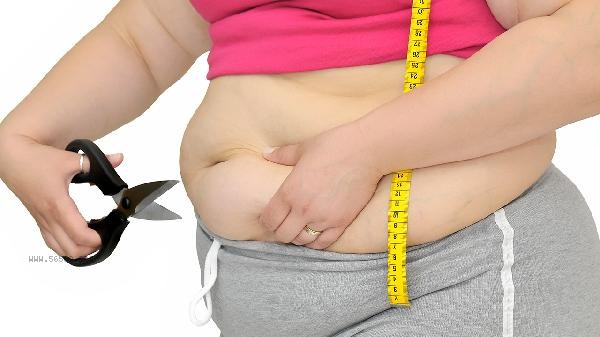
During weight loss, you can drink about 200 milliliters of diluted salt water in the morning to supplement the water and electrolytes lost at night, but the total salt intake throughout the day should be controlled within 5 grams. It is recommended to maintain a daily water intake of 1500-1700 milliliters, prioritize non calorie drinks such as plain water and light tea, and combine them with moderate aerobic exercise and muscle training. If the BMI exceeds 28 or is combined with metabolic diseases, a personalized weight loss plan should be developed under the guidance of a doctor.







Comments (0)
Leave a Comment
No comments yet
Be the first to share your thoughts!